
 Label Bas Carbone
Examples: diversity and locality of crop species, preservation of habitat for local flora and fauna, presence of beehives for pollination.

Examples: territorial dynamics, societal demand, diversification of the activity, local sales/processing, working conditions, sharing of good practices.

Use of effective tropospheric ozone-removing species or scientific experiments.

Pépinières Naudet is one of the main French producers of young forest plants, which are planted all over France.
Read morePlantation in Naujan-et-Postiac, Jugazan, Lugasson and Bellefond
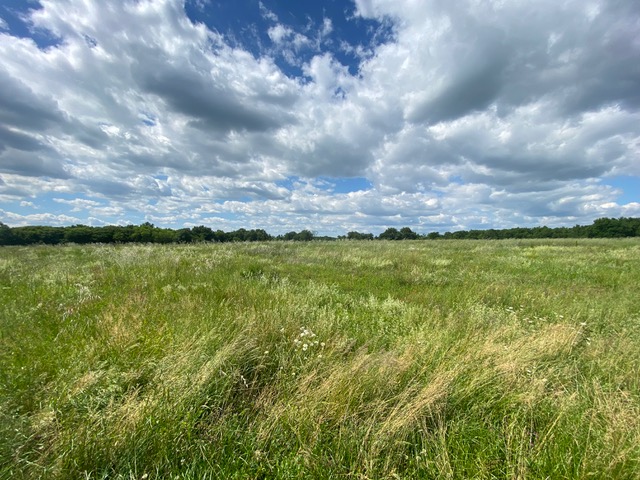
In the heart of the Gironde region, this afforestation project is taking root in the municipalities of Naujan-et-Postiac, Jugazan, Lugasson, and Bellefond. This Entre-deux-Mers territory, shaped by hillsides, valleys, and a patchwork of agricultural lands, lies within a department where forests play a major role and where vineyards, hedgerows, and natural landscapes form a delicate balance between production, biodiversity, and local identity. The Gironde benefits from a temperate oceanic climate, with Atlantic influences that foster a diversity of crops and explain the richness of the terroirs in the eastern part of the department. This project contributes to strengthening ecological corridors, diversifying land uses, and establishing new stands in a region where the relationship with the land, vineyards, and forests has long structured the local economy and landscapes.
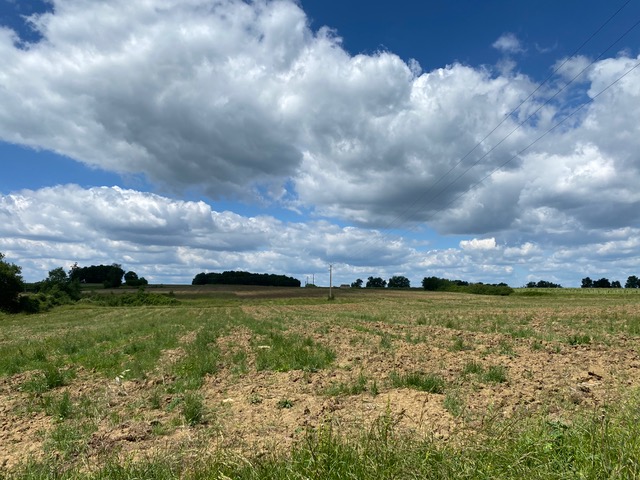
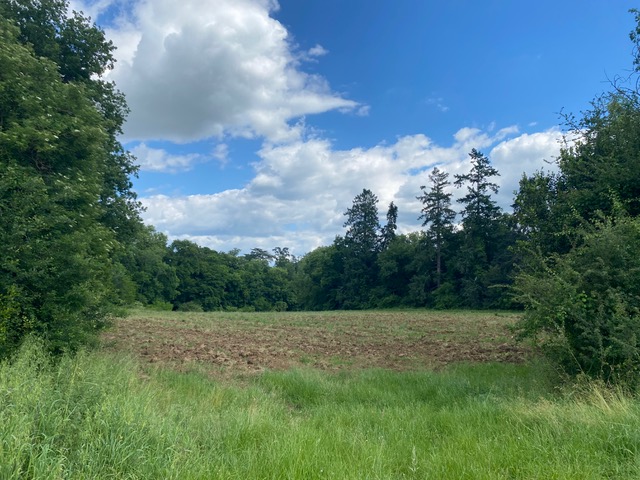
The afforestation will take place on former vineyard plots where vines were recently uprooted, in a context of overproduction in the Bordeaux region. This afforestation project will create 25.37 hectares of forest and extend adjacent groves. Planting is planned for late 2026/early 2027 and is expected to sequester 8,449 tonnes of CO2 equivalent over 30 years*.
Biodiversity: Four different species have been selected for this afforestation: sessile oak, black locust, downy oak, and red oak. The chosen species have been studied for their resistance to climate change while being adapted to current conditions. The planting will create new linear deciduous borders along the edges of the plots.
Climate change: Some of the selected tree species help combat pollution from tropospheric ozone (at low altitudes), which is harmful to plant health.
Socio-economic: The planting will be carried out by a local company.
* The final value of the estimate will only be established after verification by an independent auditor and an administrative approval.
 Label Bas Carbone
Examples: diversity and locality of crop species, preservation of habitat for local flora and fauna, presence of beehives for pollination.
Examples: territorial dynamics, societal demand, diversification of the activity, local sales/processing, working conditions, sharing of good practices.
Use of effective tropospheric ozone-removing species or scientific experiments.
Pépinières Naudet is one of the main French producers of young forest plants, which are planted all over France.
Read morePlantation in Naujan-et-Postiac, Jugazan, Lugasson and Bellefond
In the heart of the Gironde region, this afforestation project is taking root in the municipalities of Naujan-et-Postiac, Jugazan, Lugasson, and Bellefond. This Entre-deux-Mers territory, shaped by hillsides, valleys, and a patchwork of agricultural lands, lies within a department where forests play a major role and where vineyards, hedgerows, and natural landscapes form a delicate balance between production, biodiversity, and local identity. The Gironde benefits from a temperate oceanic climate, with Atlantic influences that foster a diversity of crops and explain the richness of the terroirs in the eastern part of the department. This project contributes to strengthening ecological corridors, diversifying land uses, and establishing new stands in a region where the relationship with the land, vineyards, and forests has long structured the local economy and landscapes.
The afforestation will take place on former vineyard plots where vines were recently uprooted, in a context of overproduction in the Bordeaux region. This afforestation project will create 25.37 hectares of forest and extend adjacent groves. Planting is planned for late 2026/early 2027 and is expected to sequester 8,449 tonnes of CO2 equivalent over 30 years*.
Biodiversity: Four different species have been selected for this afforestation: sessile oak, black locust, downy oak, and red oak. The chosen species have been studied for their resistance to climate change while being adapted to current conditions. The planting will create new linear deciduous borders along the edges of the plots.
Climate change: Some of the selected tree species help combat pollution from tropospheric ozone (at low altitudes), which is harmful to plant health.
Socio-economic: The planting will be carried out by a local company.
* The final value of the estimate will only be established after verification by an independent auditor and an administrative approval.