
 Label Bas Carbone
Examples: diversity and locality of crop species, preservation of habitat for local flora and fauna, presence of beehives for pollination.

Examples: territorial dynamics, societal demand, diversification of the activity, local sales/processing, working conditions, sharing of good practices.

Examples: Consideration of wetlands, use of adapted species, drip-connected irrigation tools.

Pépinières Naudet is one of the main French producers of young forest plants, which are planted all over France.
Read moreDiverse woodland in Maine-et-Loire
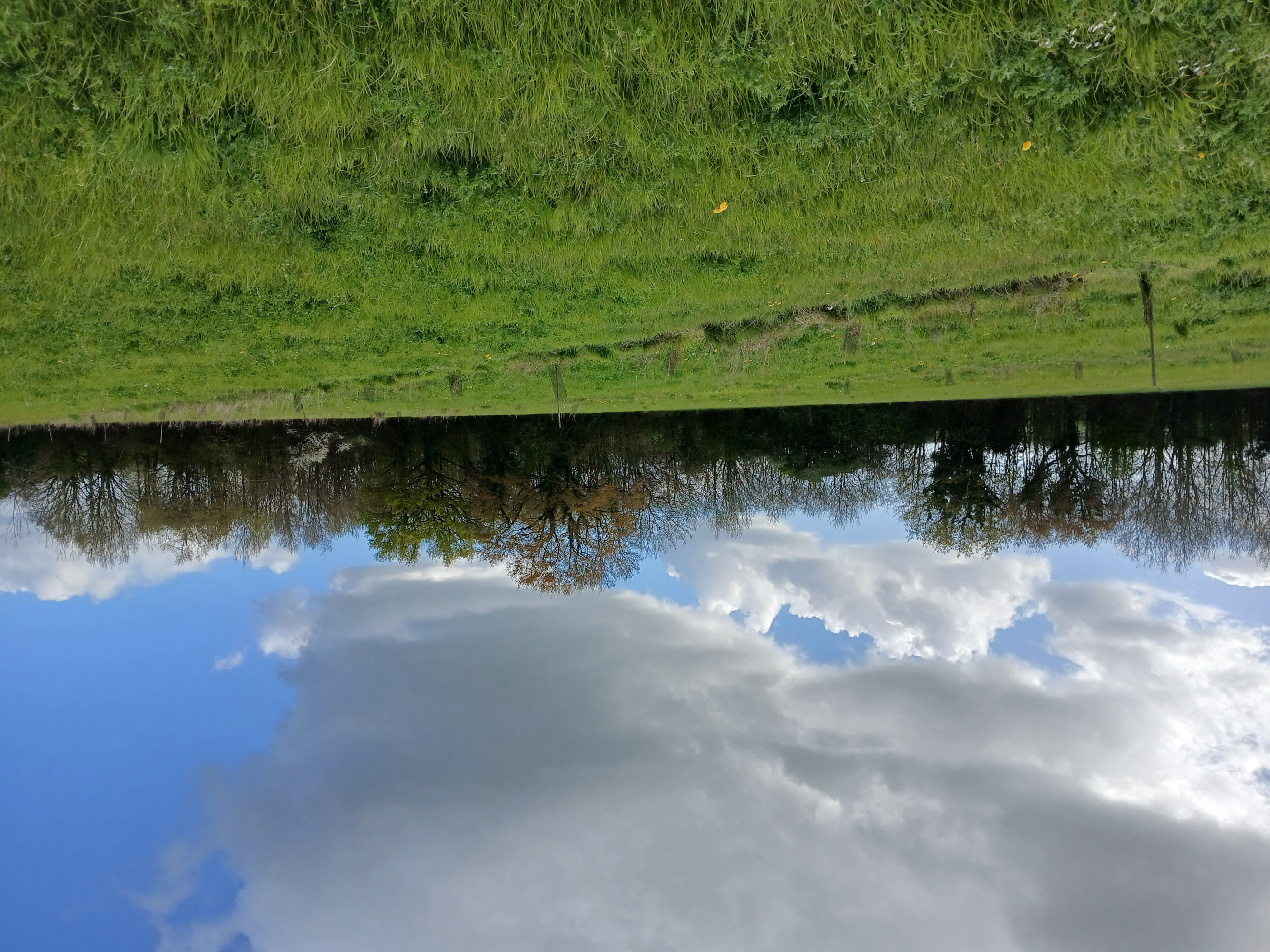
The Anjou landscape is shaped by a predominantly rural setting, with a mix of farmland, bocage hedgerows and wooded areas, in a region where agriculture, forestry, livestock and viticulture still strongly influence land use and the local economy. Woodland creation on land that was previously non-forest is a quiet but powerful transformation of the landscape: a new tree cover stores carbon, protects soils, supports biodiversity and rebuilds a richer ecological network. In the context of climate transition, this kind of project addresses very concrete rural challenges in France, where water management, soil health and habitat diversity are becoming shared priorities.
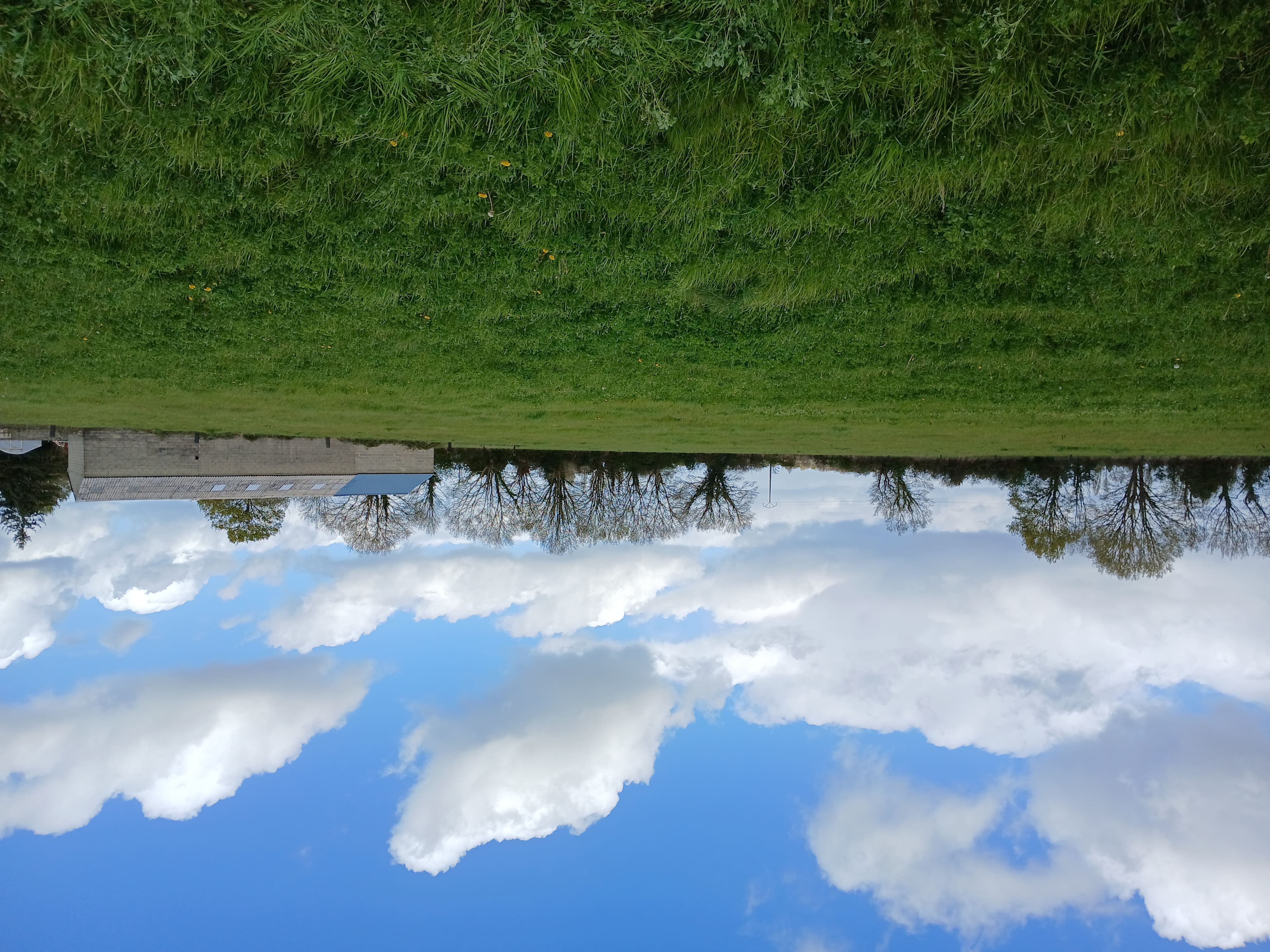
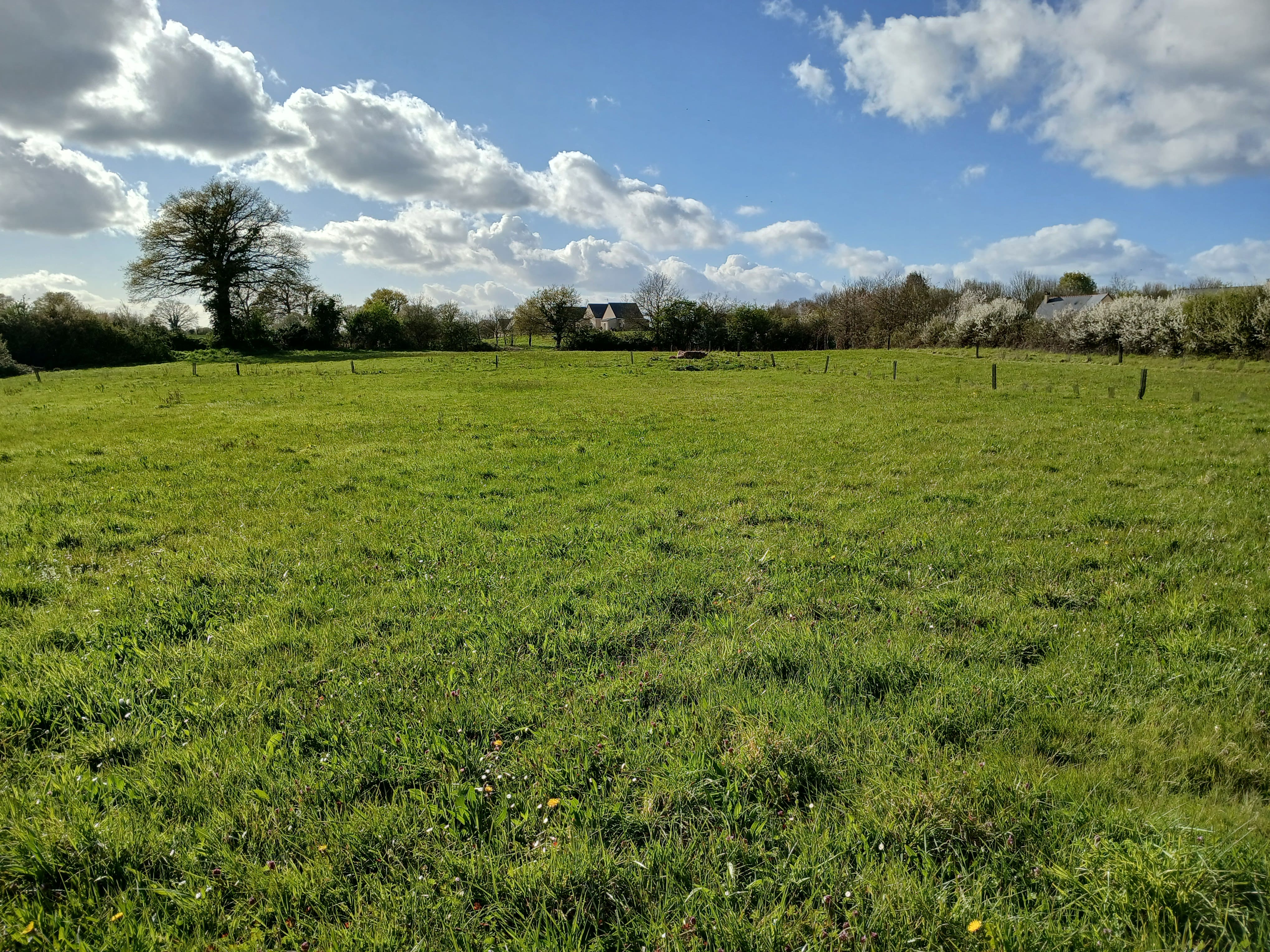
The afforestation will take place on agricultural plots that are no longer being farmed. This afforestation project will create 4.66 hectares of forest, using a diverse mix of tree species. The afforestation will connect adjacent groves. Planting is planned for late 2026/early 2027 and should sequester 1,393 tonnes of CO2 equivalent over 30 years*.
Biodiversity: Five different species have been selected for this afforestation: maritime pine, field maple, downy oak, Corsican pine, and Atlas cedar. The chosen species have been studied for their resistance to climate change while being adapted to current conditions. The planting will connect adjacent patches of forest and create new linear deciduous borders along the edges of the plots.
Water resource preservation: No conifers will be planted within 10 meters of wetlands near the project.
Socio-economic: The planting will be PEFC certified and carried out by a local company.
* The final value of the estimate will only be established after verification by an independent auditor and an administrative approval.
 Label Bas Carbone
Examples: diversity and locality of crop species, preservation of habitat for local flora and fauna, presence of beehives for pollination.
Examples: territorial dynamics, societal demand, diversification of the activity, local sales/processing, working conditions, sharing of good practices.
Examples: Consideration of wetlands, use of adapted species, drip-connected irrigation tools.
Pépinières Naudet is one of the main French producers of young forest plants, which are planted all over France.
Read moreDiverse woodland in Maine-et-Loire
The Anjou landscape is shaped by a predominantly rural setting, with a mix of farmland, bocage hedgerows and wooded areas, in a region where agriculture, forestry, livestock and viticulture still strongly influence land use and the local economy. Woodland creation on land that was previously non-forest is a quiet but powerful transformation of the landscape: a new tree cover stores carbon, protects soils, supports biodiversity and rebuilds a richer ecological network. In the context of climate transition, this kind of project addresses very concrete rural challenges in France, where water management, soil health and habitat diversity are becoming shared priorities.
The afforestation will take place on agricultural plots that are no longer being farmed. This afforestation project will create 4.66 hectares of forest, using a diverse mix of tree species. The afforestation will connect adjacent groves. Planting is planned for late 2026/early 2027 and should sequester 1,393 tonnes of CO2 equivalent over 30 years*.
Biodiversity: Five different species have been selected for this afforestation: maritime pine, field maple, downy oak, Corsican pine, and Atlas cedar. The chosen species have been studied for their resistance to climate change while being adapted to current conditions. The planting will connect adjacent patches of forest and create new linear deciduous borders along the edges of the plots.
Water resource preservation: No conifers will be planted within 10 meters of wetlands near the project.
Socio-economic: The planting will be PEFC certified and carried out by a local company.
* The final value of the estimate will only be established after verification by an independent auditor and an administrative approval.