
 Label Bas Carbone
Examples: reducing the frequency of soil cultivation, minimalist plot preparation, restoring organic matter and preserving soil microfauna.

Examples: diversity and locality of crop species, preservation of habitat for local flora and fauna, presence of beehives for pollination.

Use of effective tropospheric ozone-removing species or scientific experiments.

Pépinières Naudet is one of the main French producers of young forest plants, which are planted all over France.
Read moreCreating forests on former grassland in the Eure department
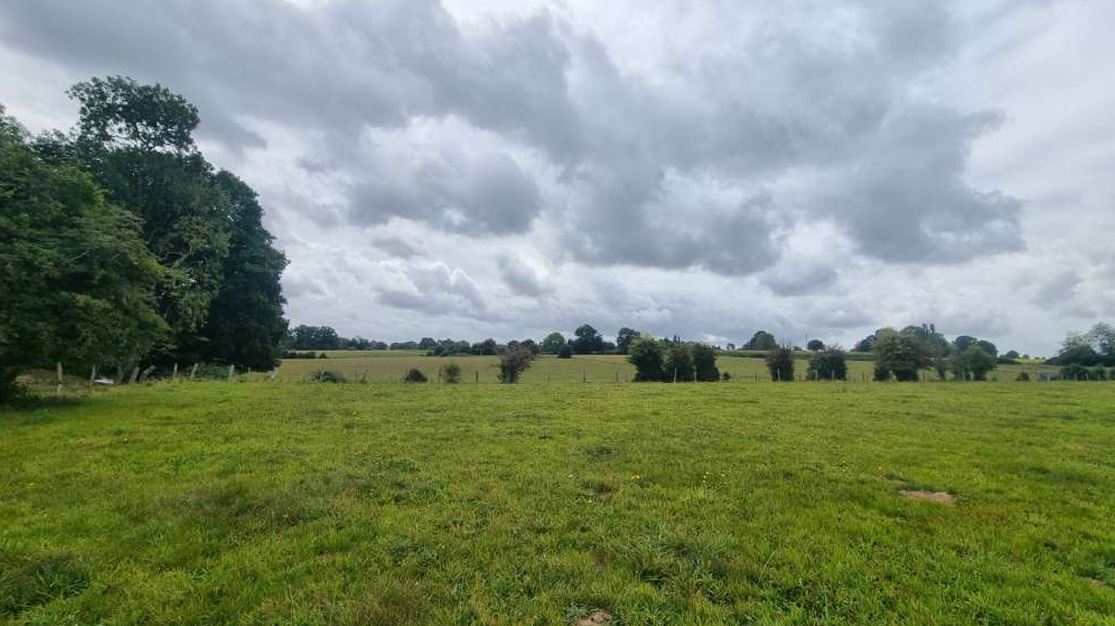
The project is located in the commune of Saint-Pierre-du-Val, in the Eure department, in Normandy, an area characterised by a landscape of valleys, hedgerow-lined meadows, farmland and woodland. Situated near the Seine estuary, the municipality benefits from a diverse natural environment where woodlands and hedgerows play a vital role in maintaining ecological connectivity, preserving soil quality, regulating the water cycle and helping the area adapt to the effects of climate change.
The afforestation will take place on agricultural plots that are no longer in use. This afforestation project will create 12.6 hectares of woodland, using a diverse mix of tree species consisting solely of deciduous trees. The afforestation will help to expand adjacent woodlands. Planting is scheduled for late 2026 / early 2027 and is expected to sequester 4,919 tonnes of CO₂eq over 30 years*.
Biodiversity: Seven different tree species were selected for this afforestation project: American red oak, black locust, sycamore maple, field maple, wild cherry, sweet chestnut and sessile oak. The selected species have been chosen for their ability to withstand global warming whilst being well-suited to current conditions. The planting will help to expand adjacent forest patches and create new linear deciduous hedgerows along the edges of the plots. A mixed planting pattern, with trees of different species planted side by side within each plot, is planned to enhance resilience to climatic hazards.
Soil conservation: Planting will be carried out in linear, prepared planting pits to minimise the impact on soil carbon.
Climate change: Some of the selected species help combat pollution linked to tropospheric ozone (at low altitudes), which is harmful to plant health.
* The final value of the estimate will only be established following verification by an independent auditor and an administrative verification decision.
 Label Bas Carbone
Examples: reducing the frequency of soil cultivation, minimalist plot preparation, restoring organic matter and preserving soil microfauna.
Examples: diversity and locality of crop species, preservation of habitat for local flora and fauna, presence of beehives for pollination.
Use of effective tropospheric ozone-removing species or scientific experiments.
Pépinières Naudet is one of the main French producers of young forest plants, which are planted all over France.
Read moreCreating forests on former grassland in the Eure department
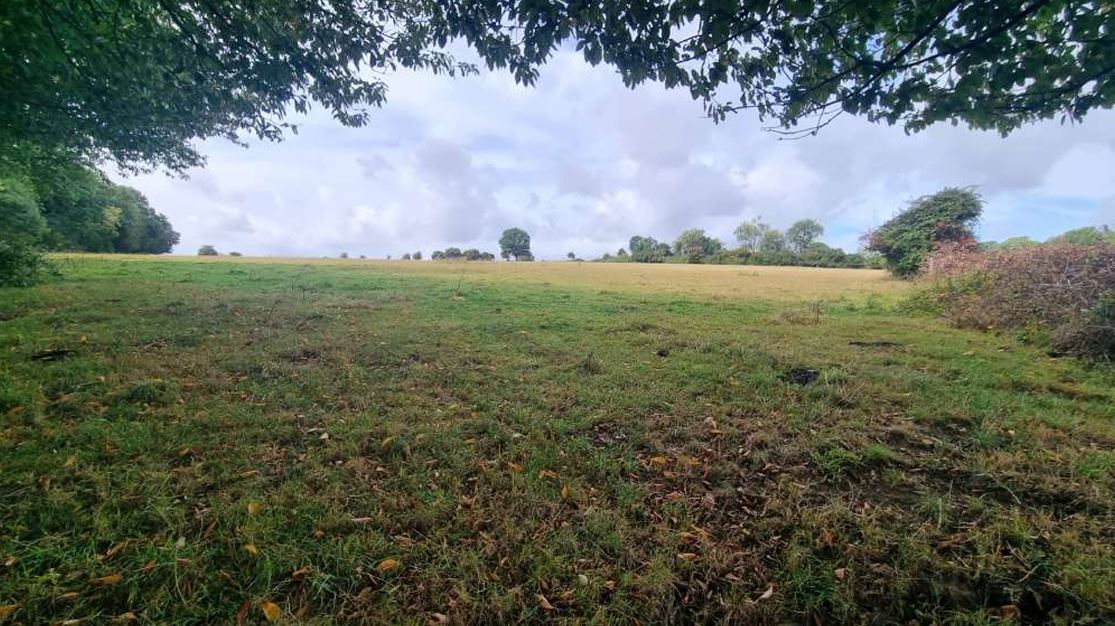
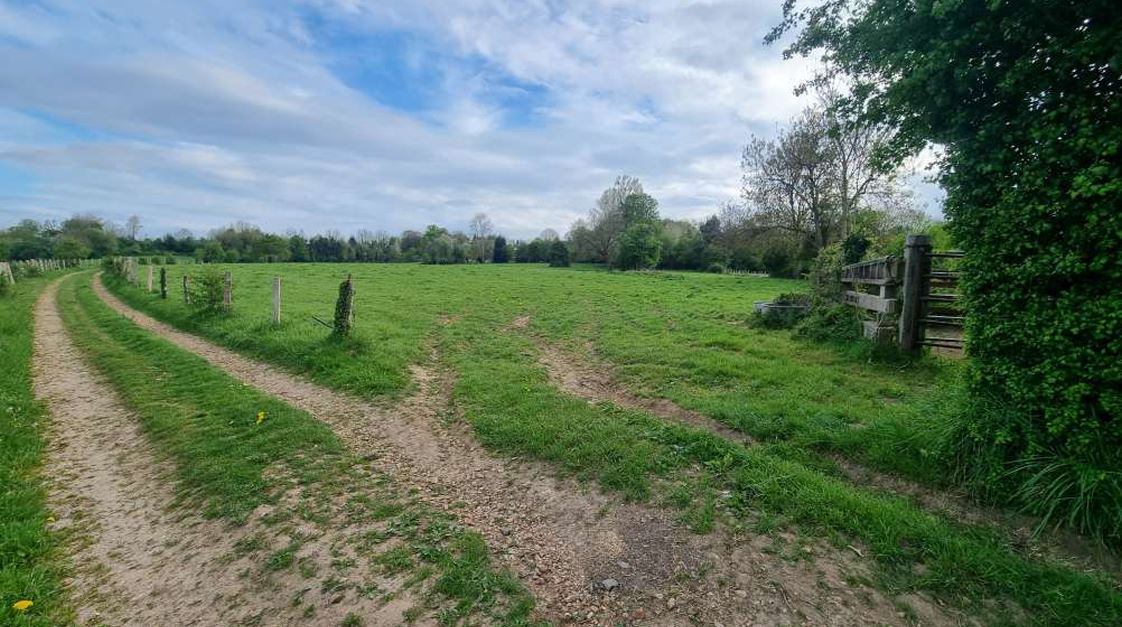
The project is located in the commune of Saint-Pierre-du-Val, in the Eure department, in Normandy, an area characterised by a landscape of valleys, hedgerow-lined meadows, farmland and woodland. Situated near the Seine estuary, the municipality benefits from a diverse natural environment where woodlands and hedgerows play a vital role in maintaining ecological connectivity, preserving soil quality, regulating the water cycle and helping the area adapt to the effects of climate change.
The afforestation will take place on agricultural plots that are no longer in use. This afforestation project will create 12.6 hectares of woodland, using a diverse mix of tree species consisting solely of deciduous trees. The afforestation will help to expand adjacent woodlands. Planting is scheduled for late 2026 / early 2027 and is expected to sequester 4,919 tonnes of CO₂eq over 30 years*.
Biodiversity: Seven different tree species were selected for this afforestation project: American red oak, black locust, sycamore maple, field maple, wild cherry, sweet chestnut and sessile oak. The selected species have been chosen for their ability to withstand global warming whilst being well-suited to current conditions. The planting will help to expand adjacent forest patches and create new linear deciduous hedgerows along the edges of the plots. A mixed planting pattern, with trees of different species planted side by side within each plot, is planned to enhance resilience to climatic hazards.
Soil conservation: Planting will be carried out in linear, prepared planting pits to minimise the impact on soil carbon.
Climate change: Some of the selected species help combat pollution linked to tropospheric ozone (at low altitudes), which is harmful to plant health.
* The final value of the estimate will only be established following verification by an independent auditor and an administrative verification decision.