
 Label Bas Carbone
Examples: diversity and locality of crop species, preservation of habitat for local flora and fauna, presence of beehives for pollination.

Examples: territorial dynamics, societal demand, diversification of the activity, local sales/processing, working conditions, sharing of good practices.

Examples: Consideration of wetlands, use of adapted species, drip-connected irrigation tools.

Use of effective tropospheric ozone-removing species or scientific experiments.

Pépinières Naudet is one of the main French producers of young forest plants, which are planted all over France.
Read more9.24 hectare plantation in Maine-et-Loire
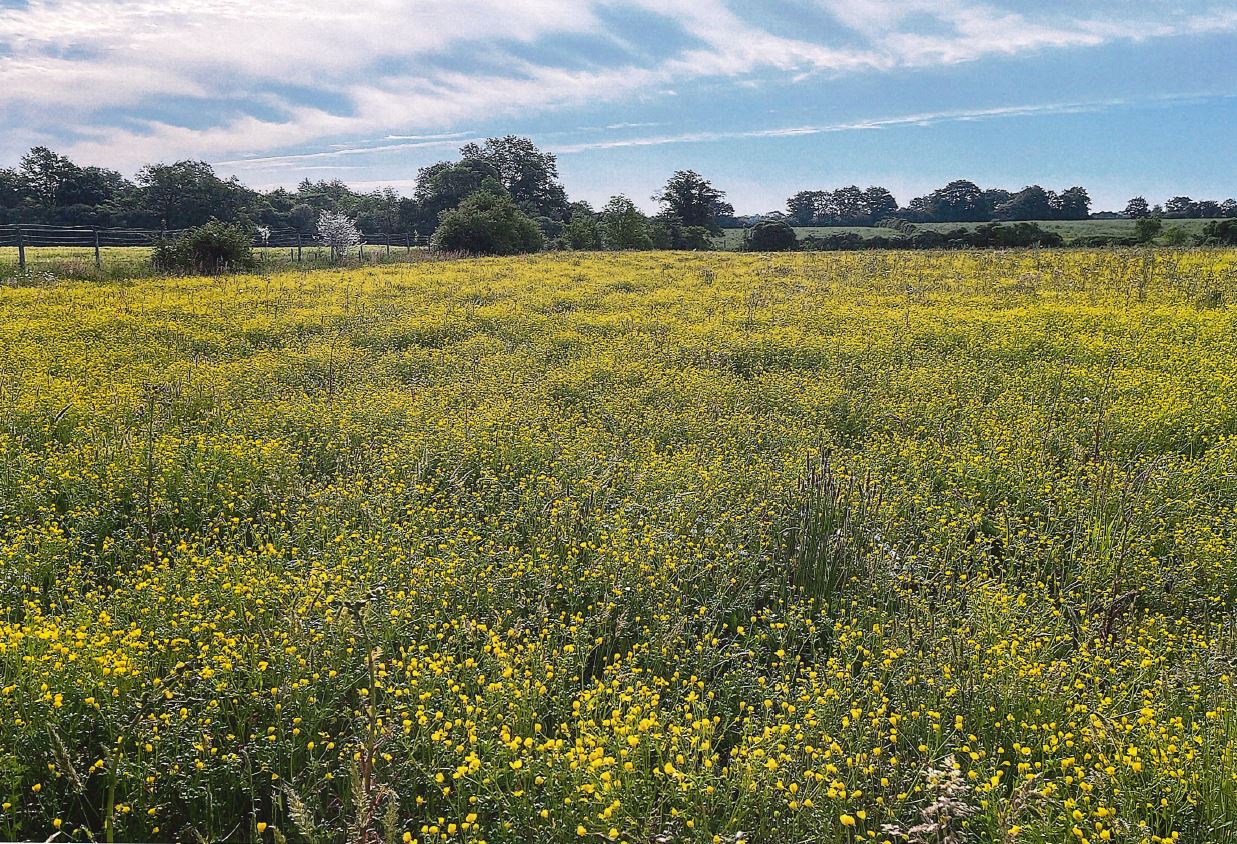
Located in Maine-et-Loire, in the Pays de la Loire region of western France, Val d’Erdre-Auxence is part of a living rural territory shaped by agriculture, hedgerows, small valleys, and a landscape heritage rooted in local history. Created in 2016 through the merger of several former communes, it belongs to the northern Anjou area, where agricultural, forest and natural uses coexist closely.
The area is crossed by the Erdre, a river in western France that rises in Anjou and flows into the Loire at Nantes after a course of about 97.5 km. This water presence, together with the temperate oceanic climate typical of western France, supports fertile soils, varied landscapes and the strong agricultural identity of the area.
Afforestation will take place on agricultural plots that are no longer in use. This project will create 9.24 hectares of forest by using a diverse mix of tree species and extending the adjacent forest area. Planting is scheduled for late 2026 or early 2027 and is expected to sequester 2,613 tonnes of CO2e over 30 years*.
Biodiversity: Four different species have been selected for this afforestation project: European hornbeam, downy oak, Corsican pine, and black locust. The chosen species were selected for their resilience to global warming and suitability for current conditions. The trees will be planted in an intimate mixture (individual trees of different species interspersed), creating new linear broadleaf borders along the edges of the plots.
Water resource preservation: No conifers will be planted within 10 meters of the wetlands located near the project site.
Socio-economic: The plantation will be PEFC-certified and established by a local company.
Climate change: A majority of the selected species help combat pollution caused by tropospheric (low-altitude) ozone, which is harmful to plant health.
* The final estimated value will be determined only after verification by an independent auditor and an administrative verification decision.
 Label Bas Carbone
Examples: diversity and locality of crop species, preservation of habitat for local flora and fauna, presence of beehives for pollination.
Examples: territorial dynamics, societal demand, diversification of the activity, local sales/processing, working conditions, sharing of good practices.
Examples: Consideration of wetlands, use of adapted species, drip-connected irrigation tools.
Use of effective tropospheric ozone-removing species or scientific experiments.
Pépinières Naudet is one of the main French producers of young forest plants, which are planted all over France.
Read more9.24 hectare plantation in Maine-et-Loire
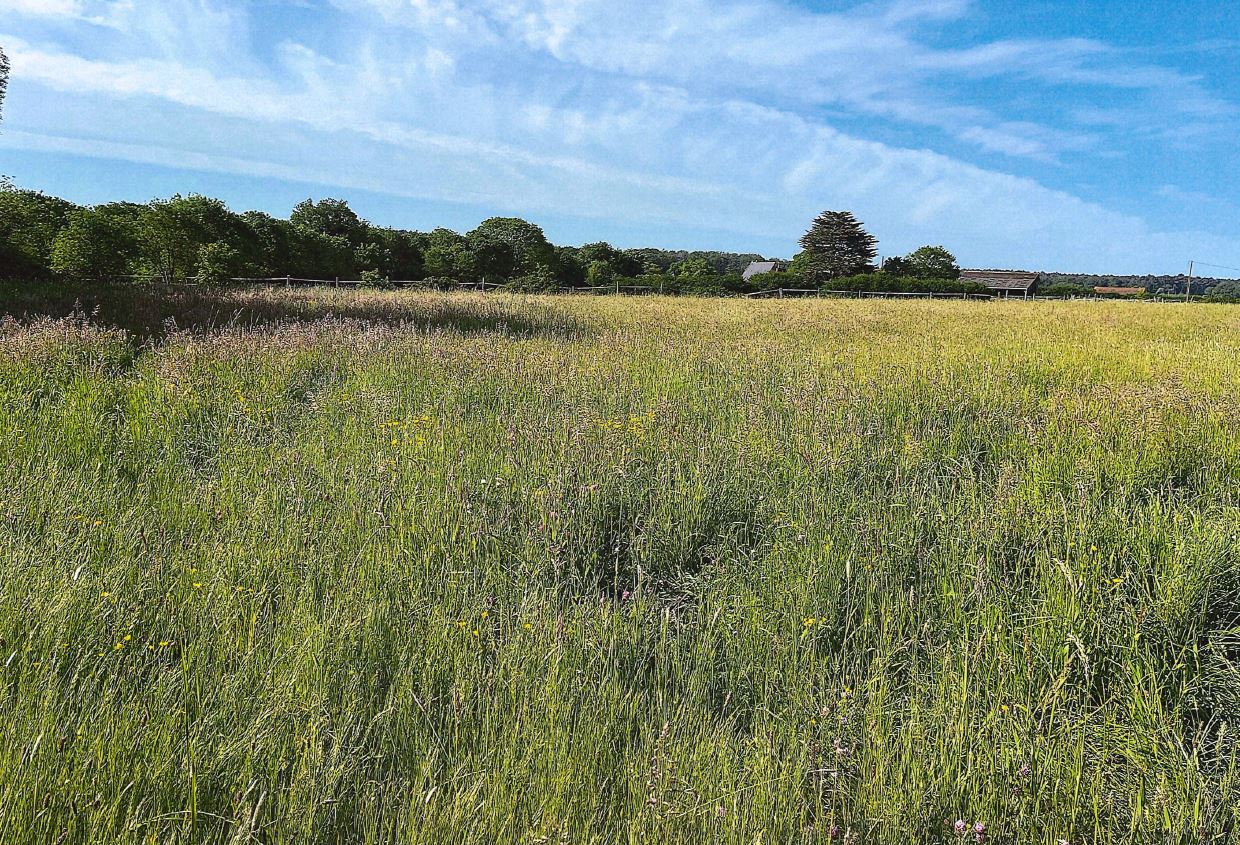
Located in Maine-et-Loire, in the Pays de la Loire region of western France, Val d’Erdre-Auxence is part of a living rural territory shaped by agriculture, hedgerows, small valleys, and a landscape heritage rooted in local history. Created in 2016 through the merger of several former communes, it belongs to the northern Anjou area, where agricultural, forest and natural uses coexist closely.
The area is crossed by the Erdre, a river in western France that rises in Anjou and flows into the Loire at Nantes after a course of about 97.5 km. This water presence, together with the temperate oceanic climate typical of western France, supports fertile soils, varied landscapes and the strong agricultural identity of the area.
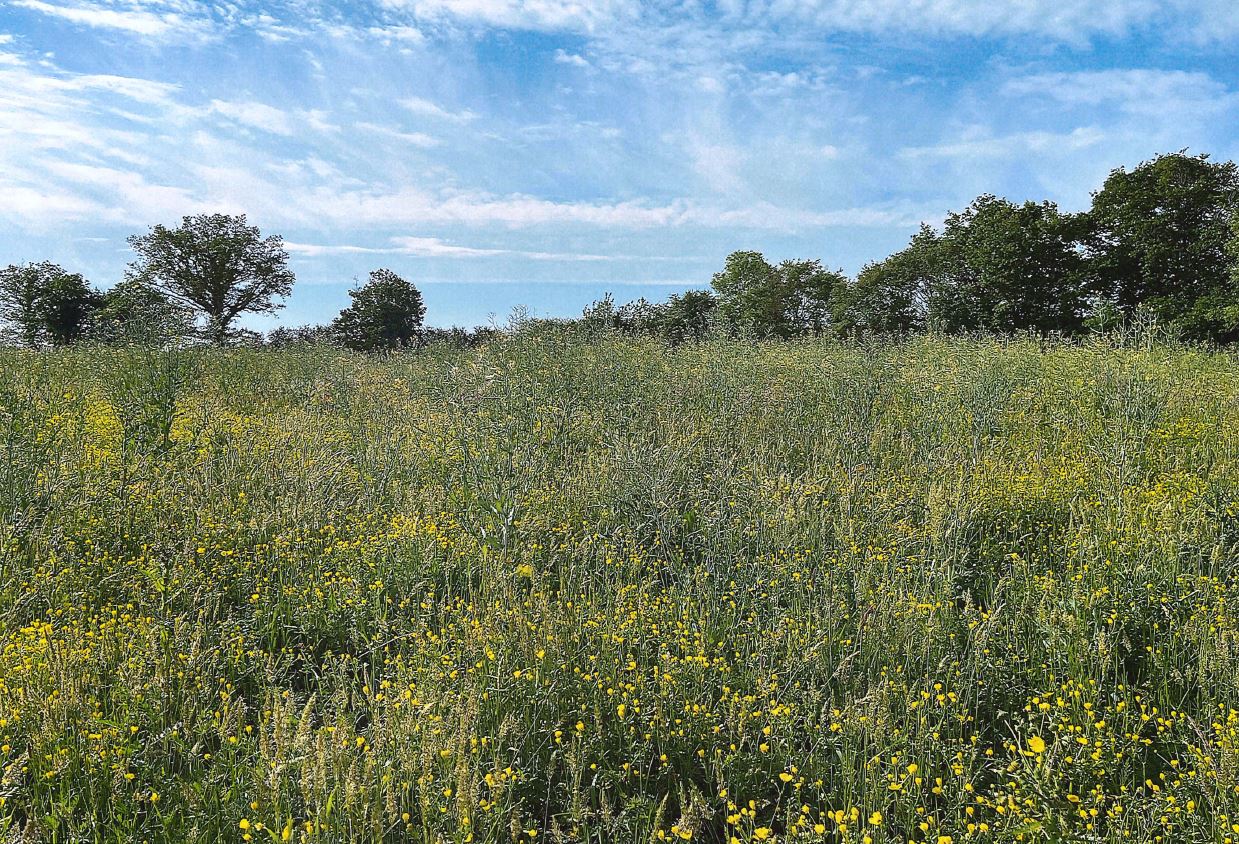
Afforestation will take place on agricultural plots that are no longer in use. This project will create 9.24 hectares of forest by using a diverse mix of tree species and extending the adjacent forest area. Planting is scheduled for late 2026 or early 2027 and is expected to sequester 2,613 tonnes of CO2e over 30 years*.
Biodiversity: Four different species have been selected for this afforestation project: European hornbeam, downy oak, Corsican pine, and black locust. The chosen species were selected for their resilience to global warming and suitability for current conditions. The trees will be planted in an intimate mixture (individual trees of different species interspersed), creating new linear broadleaf borders along the edges of the plots.
Water resource preservation: No conifers will be planted within 10 meters of the wetlands located near the project site.
Socio-economic: The plantation will be PEFC-certified and established by a local company.
Climate change: A majority of the selected species help combat pollution caused by tropospheric (low-altitude) ozone, which is harmful to plant health.
* The final estimated value will be determined only after verification by an independent auditor and an administrative verification decision.