 Rainbow (ex Riverse)
Underground Forest: turning building foundations into permanent carbon sinks
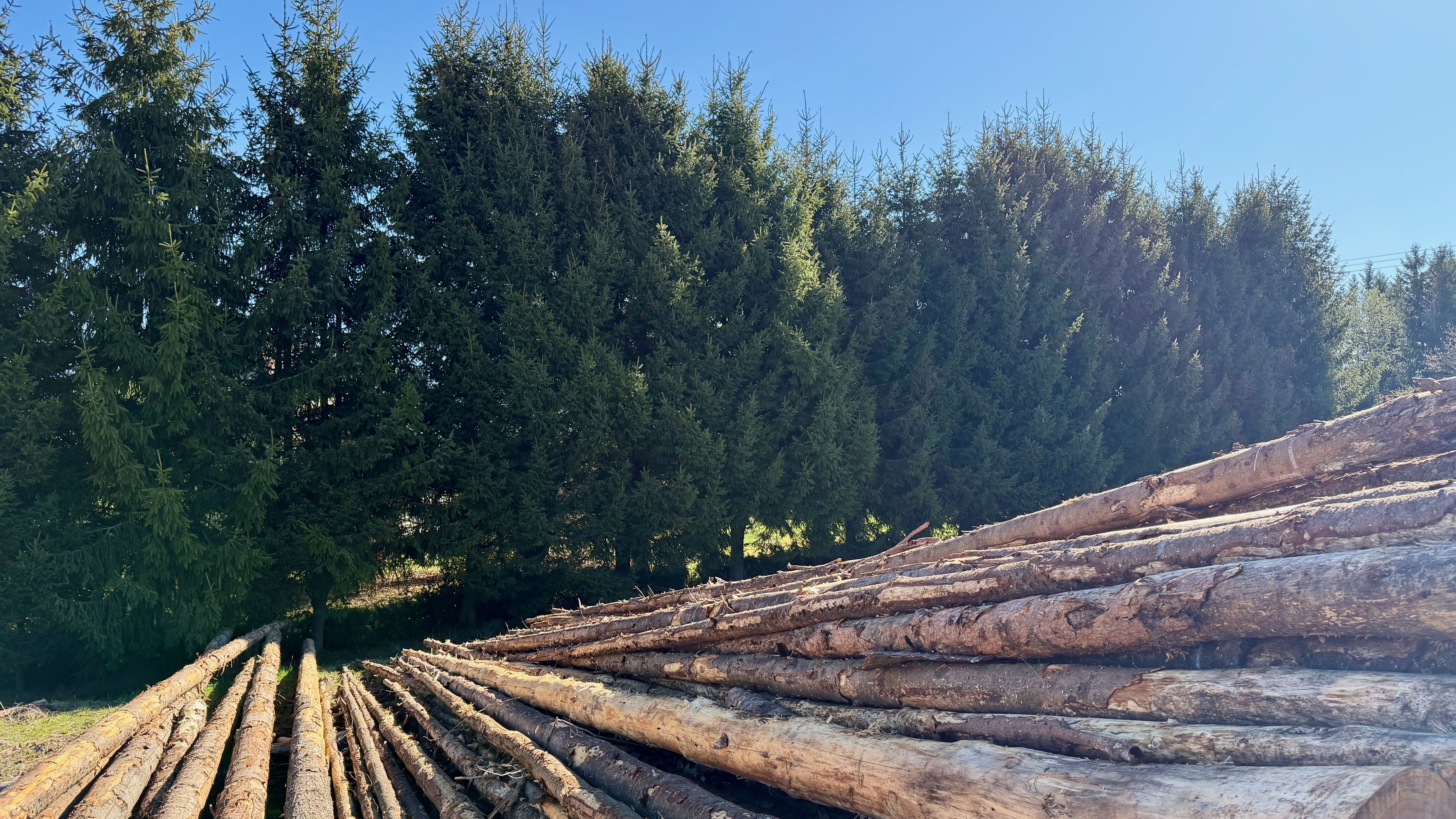
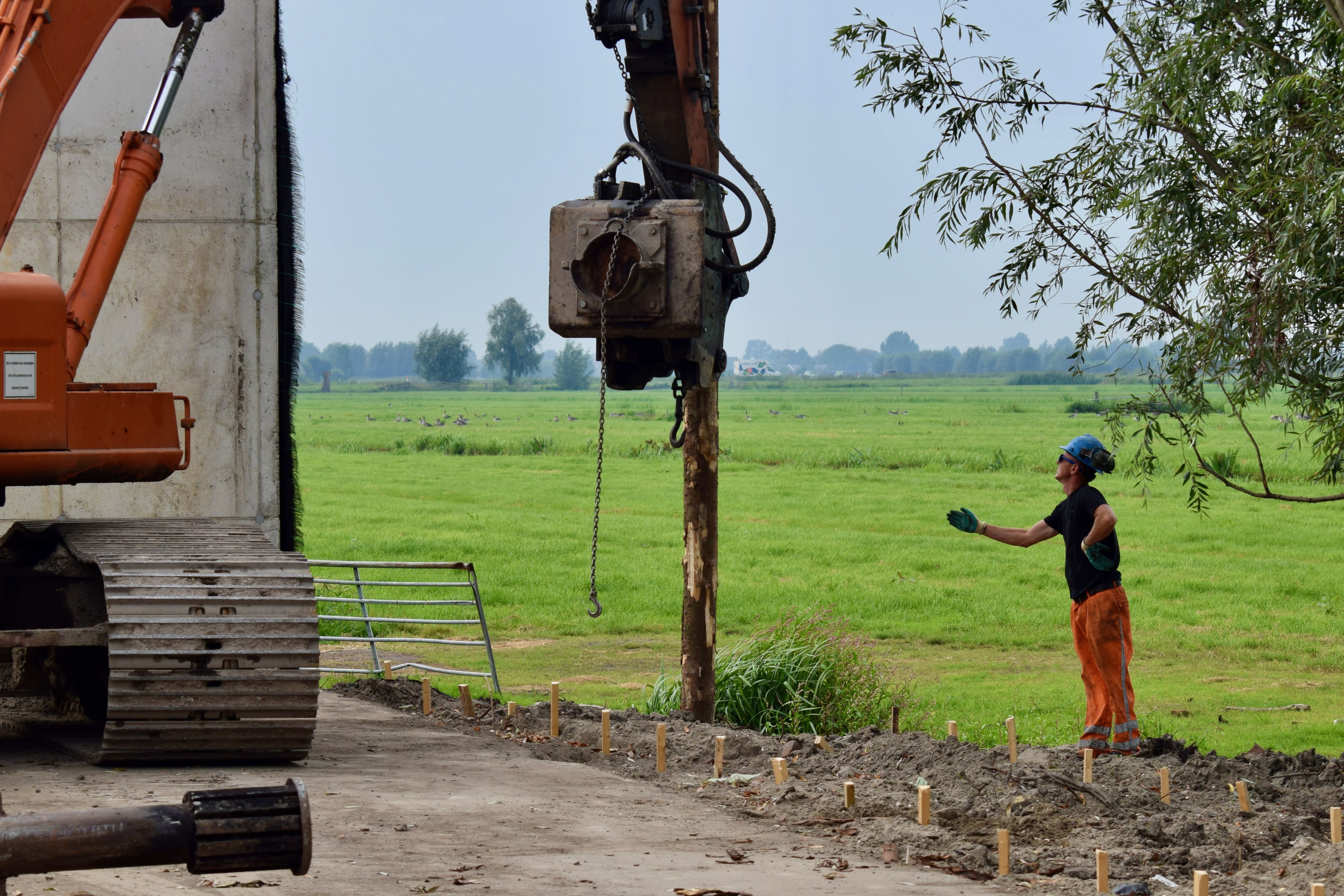
Underground Forest offers a simple yet radical solution to decarbonize one of the world's most polluting sectors: construction. The principle rests on a technical substitution that is almost invisible to the end occupant: replacing concrete foundation piles — used to build on soft soils such as peat and clay — with PEFC-certified spruce wooden piles. Once driven below the groundwater table, into an anoxic (oxygen-free) environment, these wooden trunks stop decomposing: the carbon they contain stays locked away for more than 100 years, potentially for centuries. The building then literally rests on a underground forest, frozen in time.
The construction sector alone accounts for nearly 37 to 40% of global CO₂ emissions, with concrete production responsible for a significant share of that total. Underground Forest tackles two major challenges at once:
The main obstacle is economic: for an equivalent volume, wood offers lower load-bearing capacity than concrete, requiring more piles to support the same building. As a result, wooden foundations are currently more expensive overall than concrete ones, which explains why concrete remains the near-universal industry standard. The project's goal is to close this price gap using revenue from carbon credit sales, making wood cost-competitive — and then to replicate this methodology in other countries with comparable peatland soils (Germany, the United Kingdom, Finland, Malaysia, Indonesia, and Canada).
What sets Underground Forest apart from other carbon capture solutions:
The Monitoring, Reporting, and Verification (MRV) system relies on simple, verifiable, and public data:
The project's additionality rests on a clear economic reality: concrete remains the default choice today because, despite wood's lower unit cost, its lower load-bearing capacity requires installing a greater number of piles, making wooden foundations more expensive overall. Without carbon financing, this solution would therefore remain marginal despite being technically available for centuries.
Beyond carbon sequestration, the project generates notable co-benefits: support for a sustainably certified (PEFC) forestry supply chain, reduced demand for concrete and its associated extraction and production emissions, revival of traditional Dutch engineering know-how, and the creation of a replicable methodology for other regions of the world facing the same soft-soil construction constraints.
 Rainbow (ex Riverse)
Underground Forest: turning building foundations into permanent carbon sinks
Underground Forest offers a simple yet radical solution to decarbonize one of the world's most polluting sectors: construction. The principle rests on a technical substitution that is almost invisible to the end occupant: replacing concrete foundation piles — used to build on soft soils such as peat and clay — with PEFC-certified spruce wooden piles. Once driven below the groundwater table, into an anoxic (oxygen-free) environment, these wooden trunks stop decomposing: the carbon they contain stays locked away for more than 100 years, potentially for centuries. The building then literally rests on a underground forest, frozen in time.
The construction sector alone accounts for nearly 37 to 40% of global CO₂ emissions, with concrete production responsible for a significant share of that total. Underground Forest tackles two major challenges at once:
The main obstacle is economic: for an equivalent volume, wood offers lower load-bearing capacity than concrete, requiring more piles to support the same building. As a result, wooden foundations are currently more expensive overall than concrete ones, which explains why concrete remains the near-universal industry standard. The project's goal is to close this price gap using revenue from carbon credit sales, making wood cost-competitive — and then to replicate this methodology in other countries with comparable peatland soils (Germany, the United Kingdom, Finland, Malaysia, Indonesia, and Canada).
What sets Underground Forest apart from other carbon capture solutions:
The Monitoring, Reporting, and Verification (MRV) system relies on simple, verifiable, and public data:
The project's additionality rests on a clear economic reality: concrete remains the default choice today because, despite wood's lower unit cost, its lower load-bearing capacity requires installing a greater number of piles, making wooden foundations more expensive overall. Without carbon financing, this solution would therefore remain marginal despite being technically available for centuries.
Beyond carbon sequestration, the project generates notable co-benefits: support for a sustainably certified (PEFC) forestry supply chain, reduced demand for concrete and its associated extraction and production emissions, revival of traditional Dutch engineering know-how, and the creation of a replicable methodology for other regions of the world facing the same soft-soil construction constraints.