
 Label Bas Carbone
Examples: diversity and locality of crop species, preservation of habitat for local flora and fauna, presence of beehives for pollination.

Examples: territorial dynamics, societal demand, diversification of the activity, local sales/processing, working conditions, sharing of good practices.

Pépinières Naudet is one of the main French producers of young forest plants, which are planted all over France.
Read moreNew afforestation in Castelnau d'Auzan Labarrère
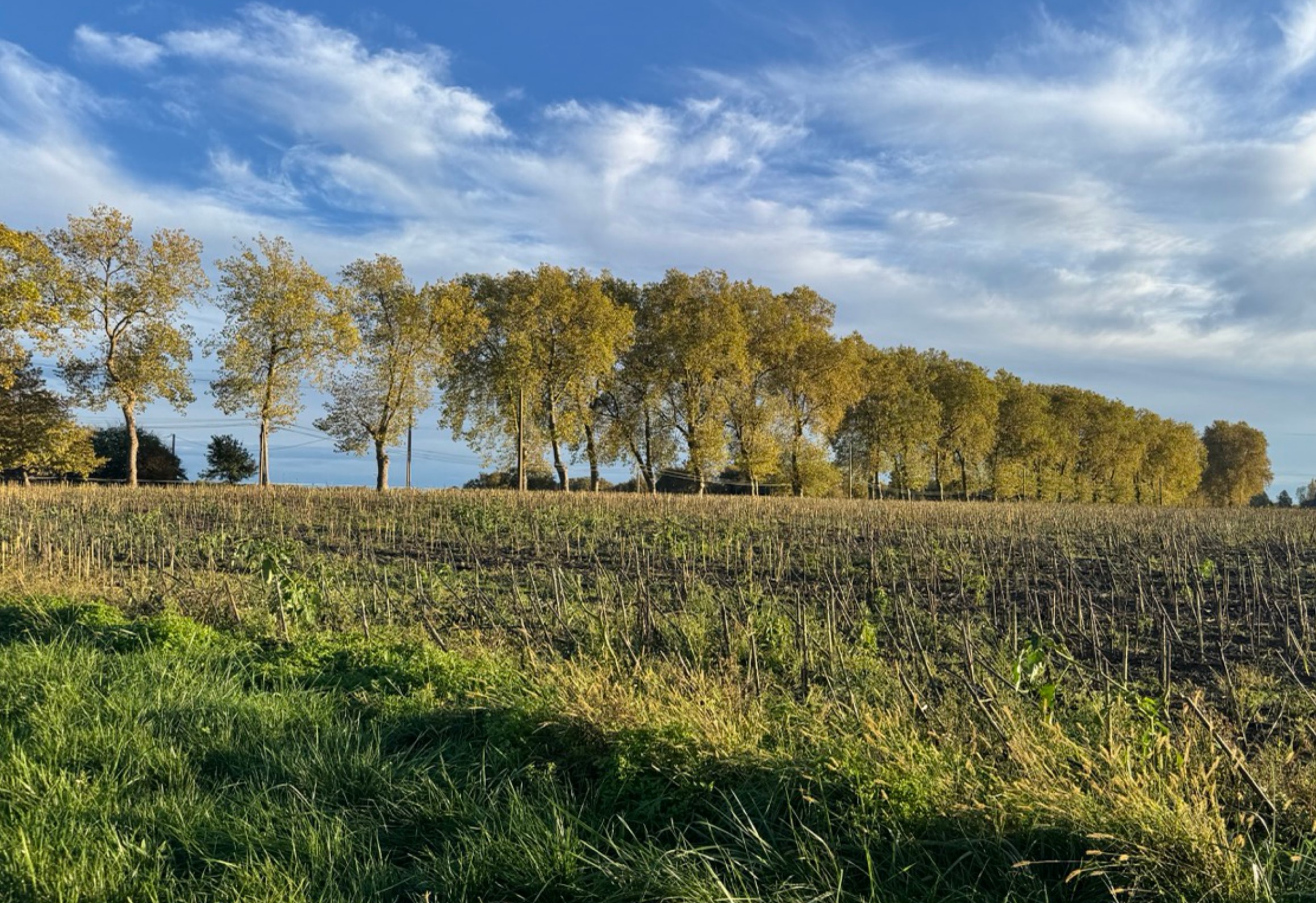
Situated in the department of the Gers, the commune of Castelnau d’Auzan Labarrère lies at the heart of an iconic region in south-western France, renowned for its rolling landscapes, agricultural wealth and way of life. The Gers, a land of traditions and history, enjoys a temperate oceanic climate, conducive to biodiversity and a diverse agricultural sector. This rural area, shaped by the Gascon identity, is characterised by its vast agricultural and natural spaces, where croplands, meadows, vineyards and woodland coexist. The local economy relies in particular on viticulture, livestock farming, cereal production and the utilisation of forest resources. Against this backdrop, the commune of Castelnau d’Auzan Labarrère offers a particularly favourable environment for implementing projects focused on sustainable development, the restoration of natural areas and the creation of new forest stands.
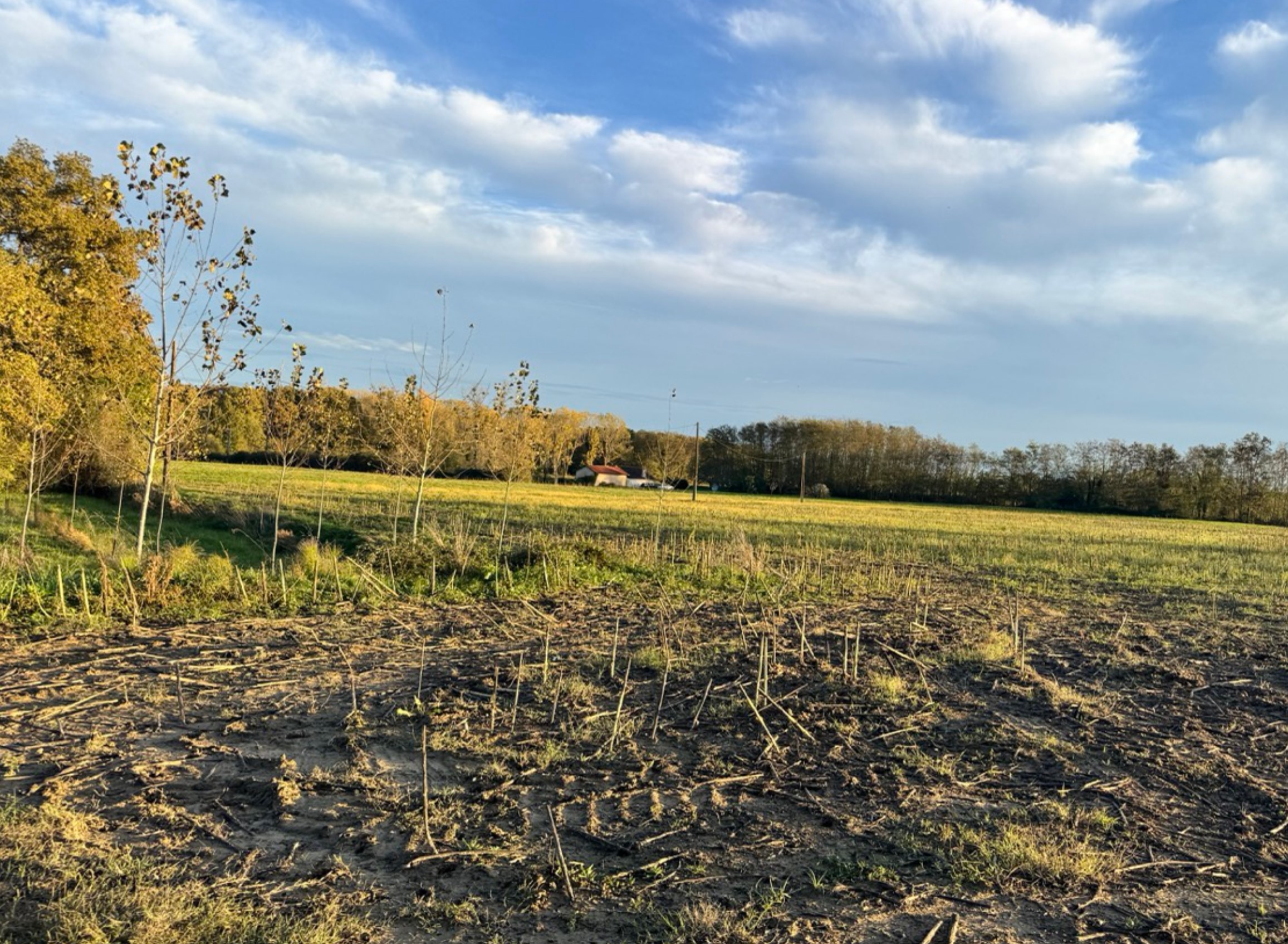
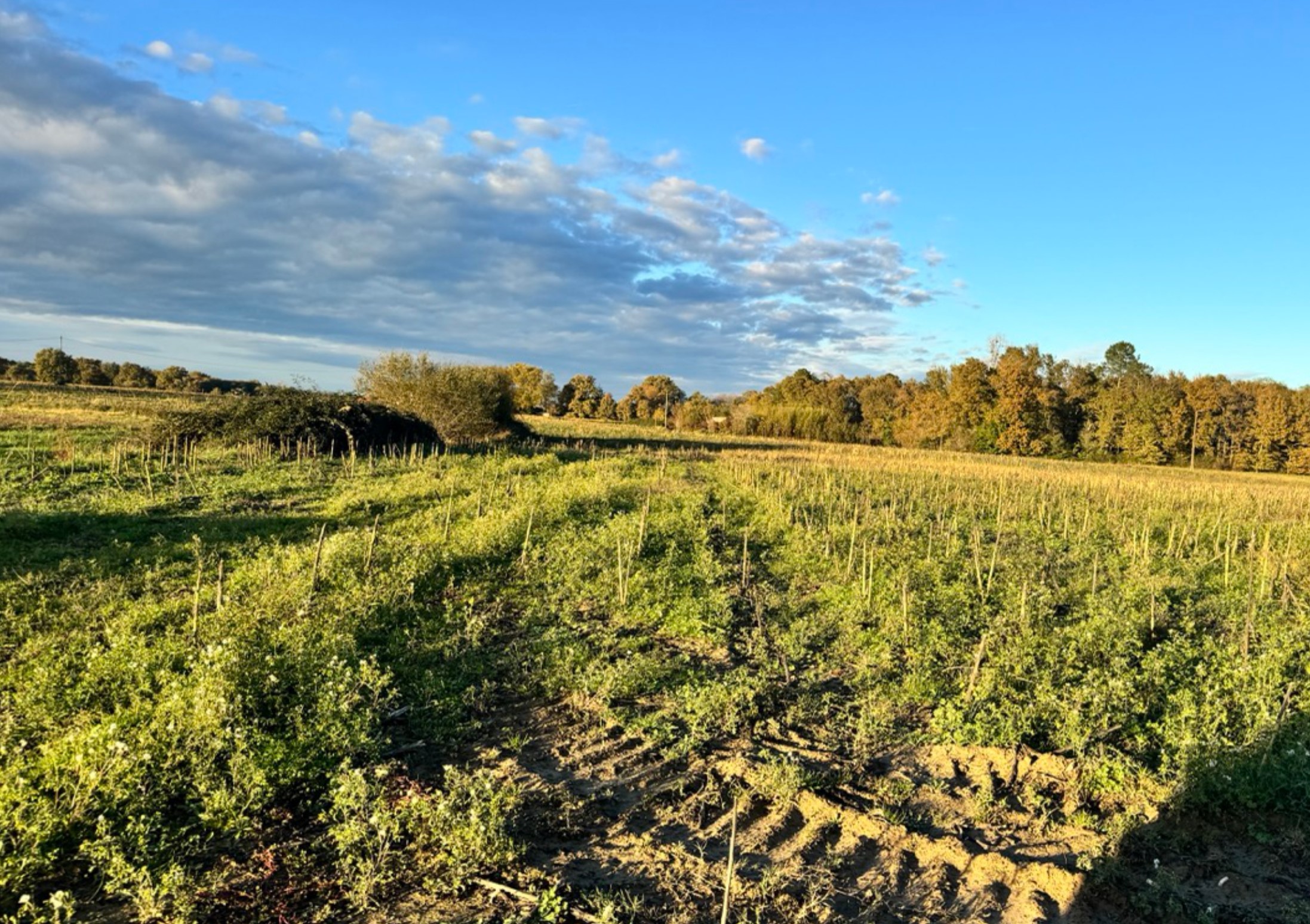
The project involves creating 8.2 hectares of woodland on land formerly occupied by grubbed-up vineyards, using a mix of Taeda pine and black locust. Planting is scheduled for the winter of 2026/2027 and will enable the sequestration of 2,695 tonnes of CO₂eq over 30 years*.
Socio-economic: Local forestry contractors will be commissioned to carry out this afforestation. Furthermore, PEFC certification of the afforestation is planned to ensure sustainable management.
Biodiversity: The selected tree species have been chosen for their resilience to global warming whilst being well-suited to current soil and climate conditions. An intra-plot mixture arranged in clusters is planned for secondary species within the main species to enhance resilience to climatic hazards.
* The final figure for the estimate will only be established following verification by an independent auditor and an administrative verification decision.
 Label Bas Carbone
Examples: diversity and locality of crop species, preservation of habitat for local flora and fauna, presence of beehives for pollination.
Examples: territorial dynamics, societal demand, diversification of the activity, local sales/processing, working conditions, sharing of good practices.
Pépinières Naudet is one of the main French producers of young forest plants, which are planted all over France.
Read moreNew afforestation in Castelnau d'Auzan Labarrère
Situated in the department of the Gers, the commune of Castelnau d’Auzan Labarrère lies at the heart of an iconic region in south-western France, renowned for its rolling landscapes, agricultural wealth and way of life. The Gers, a land of traditions and history, enjoys a temperate oceanic climate, conducive to biodiversity and a diverse agricultural sector. This rural area, shaped by the Gascon identity, is characterised by its vast agricultural and natural spaces, where croplands, meadows, vineyards and woodland coexist. The local economy relies in particular on viticulture, livestock farming, cereal production and the utilisation of forest resources. Against this backdrop, the commune of Castelnau d’Auzan Labarrère offers a particularly favourable environment for implementing projects focused on sustainable development, the restoration of natural areas and the creation of new forest stands.
The project involves creating 8.2 hectares of woodland on land formerly occupied by grubbed-up vineyards, using a mix of Taeda pine and black locust. Planting is scheduled for the winter of 2026/2027 and will enable the sequestration of 2,695 tonnes of CO₂eq over 30 years*.
Socio-economic: Local forestry contractors will be commissioned to carry out this afforestation. Furthermore, PEFC certification of the afforestation is planned to ensure sustainable management.
Biodiversity: The selected tree species have been chosen for their resilience to global warming whilst being well-suited to current soil and climate conditions. An intra-plot mixture arranged in clusters is planned for secondary species within the main species to enhance resilience to climatic hazards.
* The final figure for the estimate will only be established following verification by an independent auditor and an administrative verification decision.