
 Label Bas Carbone
Examples: territorial dynamics, societal demand, diversification of the activity, local sales/processing, working conditions, sharing of good practices.

Use of effective tropospheric ozone-removing species or scientific experiments.

Pépinières Naudet is one of the main French producers of young forest plants, which are planted all over France.
Read morePlanting a forest on former farmland in the Landes region
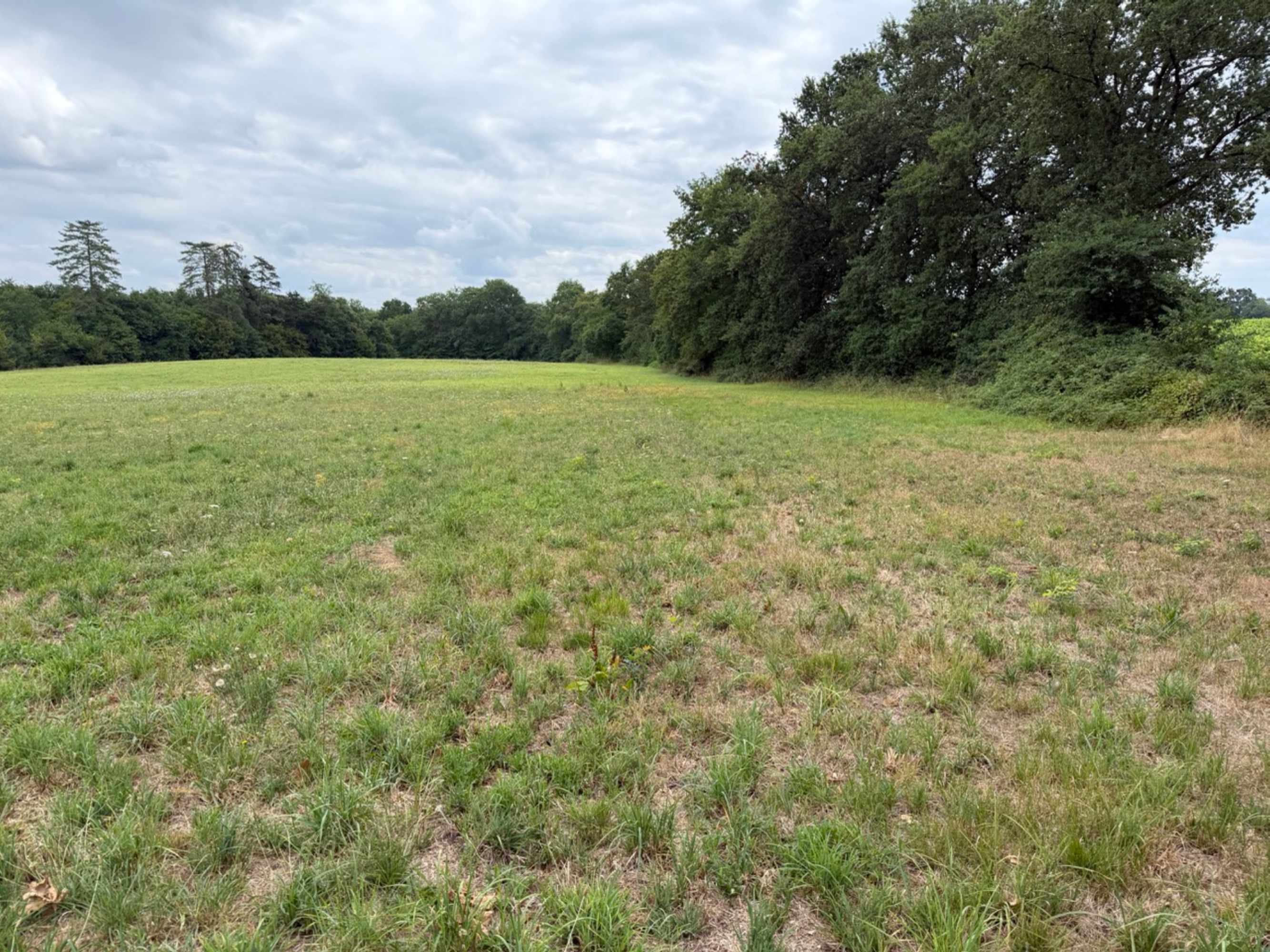
Located in the Landes, in the commune of Parleboscq, this project is set in a rural area characterised by a mosaic of agricultural landscapes, meadows and woodland. The project involves former agricultural meadows, the afforestation of which will help to strengthen the local forest network and create continuity with existing woodlands and copses. This new forest will also contribute to the region’s adaptation to climate change, the preservation of biodiversity and the sustainable use of agricultural land that is currently not very productive.
This afforestation project will create 2.8 hectares of forest comprising black locust, longleaf pine and red oak, and will extend adjacent copses. Planting is scheduled for late 2026 / early 2027 and is expected to sequester 1,123 tonnes of CO₂eq over 30 years*.
Socio-economic: the planting will be carried out by a local company. It will also be PEFC-certified.
Climate change: some of the selected tree species help combat pollution linked to tropospheric ozone (at low altitudes), which is harmful to plant health.
* The final figure for the estimate will only be established following verification by an independent auditor and an administrative verification decision.
 Label Bas Carbone
Examples: territorial dynamics, societal demand, diversification of the activity, local sales/processing, working conditions, sharing of good practices.
Use of effective tropospheric ozone-removing species or scientific experiments.
Pépinières Naudet is one of the main French producers of young forest plants, which are planted all over France.
Read morePlanting a forest on former farmland in the Landes region
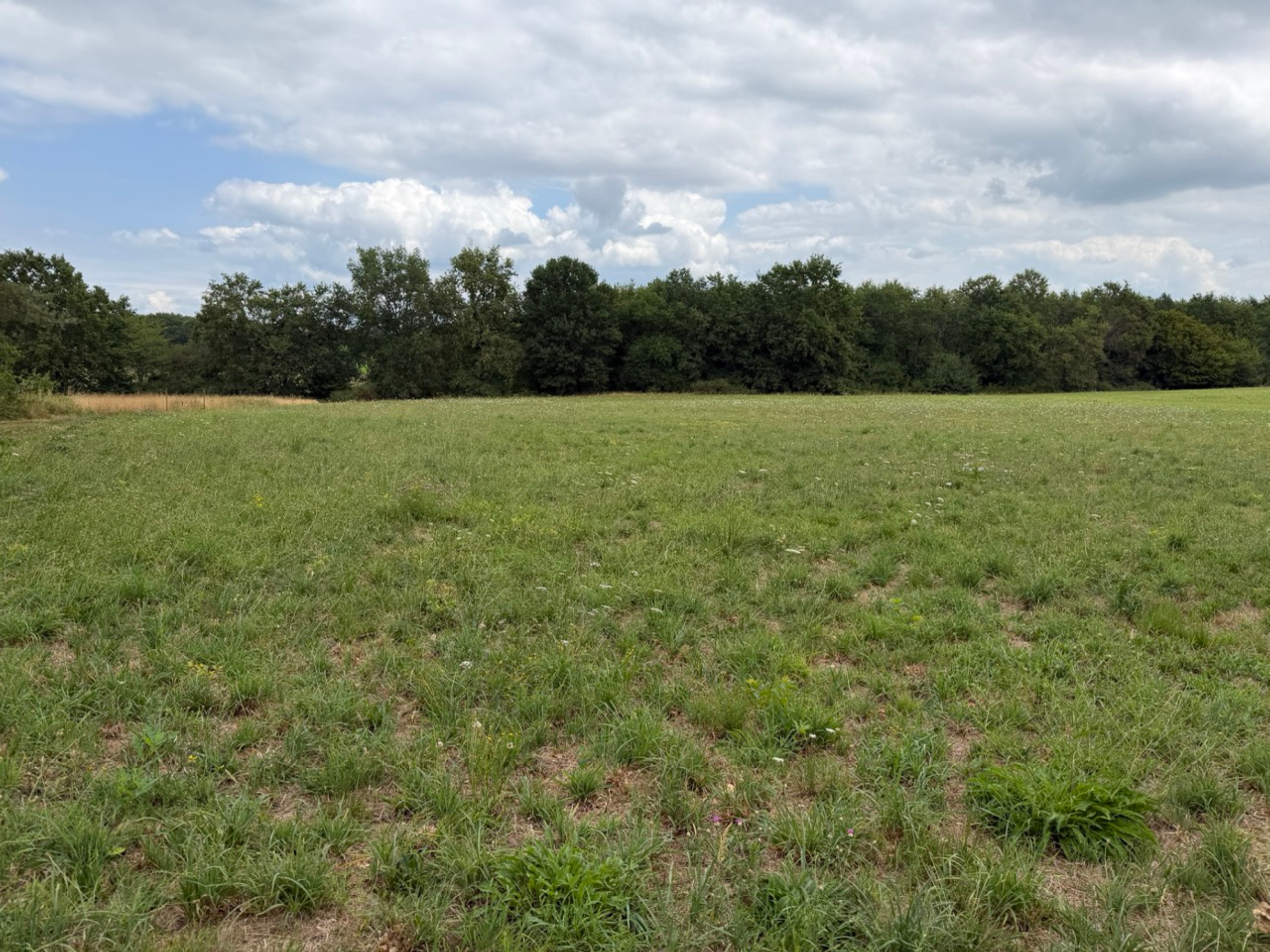
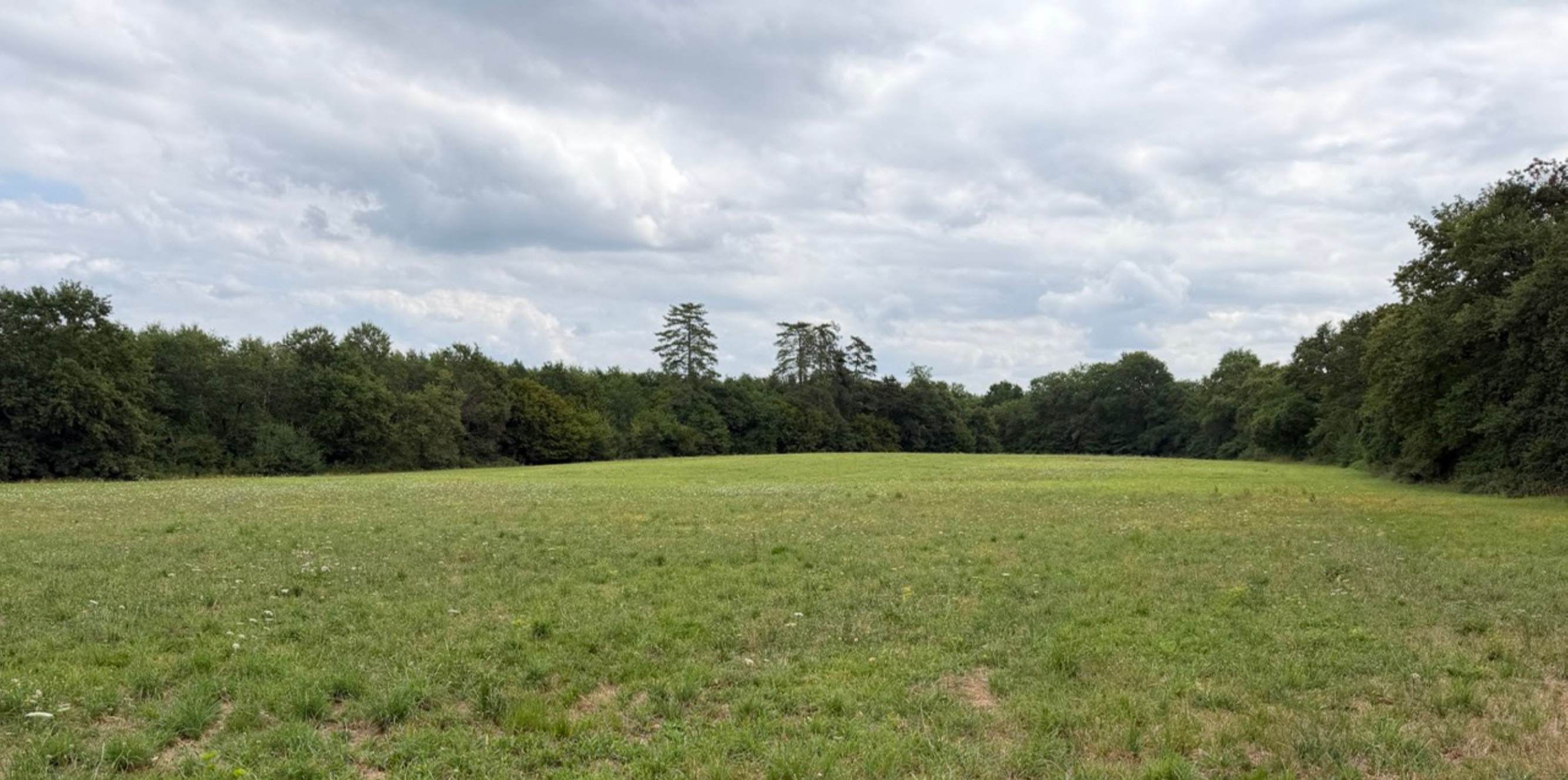
Located in the Landes, in the commune of Parleboscq, this project is set in a rural area characterised by a mosaic of agricultural landscapes, meadows and woodland. The project involves former agricultural meadows, the afforestation of which will help to strengthen the local forest network and create continuity with existing woodlands and copses. This new forest will also contribute to the region’s adaptation to climate change, the preservation of biodiversity and the sustainable use of agricultural land that is currently not very productive.
This afforestation project will create 2.8 hectares of forest comprising black locust, longleaf pine and red oak, and will extend adjacent copses. Planting is scheduled for late 2026 / early 2027 and is expected to sequester 1,123 tonnes of CO₂eq over 30 years*.
Socio-economic: the planting will be carried out by a local company. It will also be PEFC-certified.
Climate change: some of the selected tree species help combat pollution linked to tropospheric ozone (at low altitudes), which is harmful to plant health.
* The final figure for the estimate will only be established following verification by an independent auditor and an administrative verification decision.