 Label Bas Carbone

Examples: diversity and locality of crop species, preservation of habitat for local flora and fauna, presence of beehives for pollination.

Examples: territorial dynamics, societal demand, diversification of the activity, local sales/processing, working conditions, sharing of good practices.

Examples: Consideration of wetlands, use of adapted species, drip-connected irrigation tools.

Pépinières Naudet is one of the main French producers of young forest plants, which are planted all over France.
Read moreAfforestation in the Sarthe
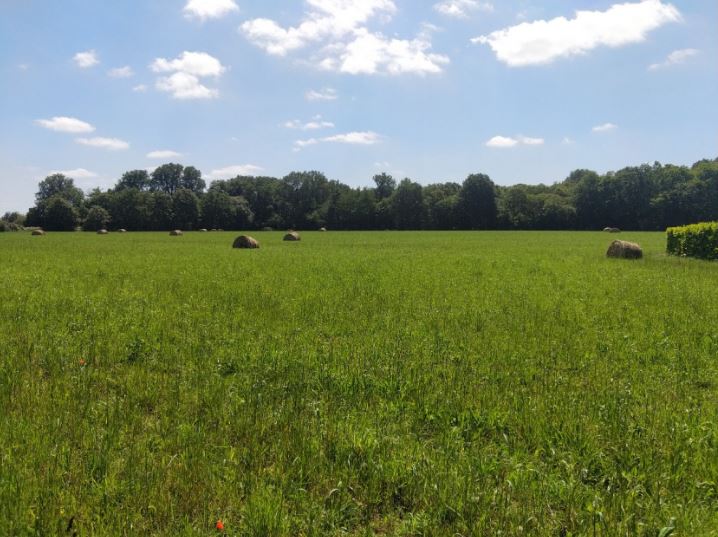
The Sarthe, a lush department in north-western France, nestled between the Maine and the Loire, is an area rich in history and biodiversity. Historically characterised by agriculture and livestock farming, this region of the Pays de la Loire enjoys a temperate oceanic climate, with mild summers and wet winters, ideal for the development of resilient forests.
This project is located in the commune of Roëzé-sur-Sarthe and Laigné-Saint-Gervais in the Sarthe department. The afforestation will take place on plots of land that are currently underutilised and which, in places, adjoin existing woodland. This afforestation project will create 7.4 hectares of forest, using a diverse mix of tree species. Planting is scheduled for the winter of 2026/2027 and will enable the sequestration of 1,936 tonnes of CO₂eq over 30 years*.
Biodiversity: Nine different tree species have been selected for this afforestation project: maritime pine, Corsican laricio pine, chestnut, downy oak, sessile oak, American red oak, field maple, small-leaved lime and service tree. The selected species have been chosen for their resilience to climate change whilst remaining well-suited to current conditions. The plants will be mixed within the plots using an alternating strip planting pattern, with a preference for establishing broadleaved trees along the plot boundaries.
Water resource conservation: No conifers will be planted within 10 metres of the wetlands near the project site.
Socio-economic: a local company will be in charge of carrying out the project.
* The final figure for the estimate will only be established following verification by an independent auditor and an administrative verification decision.
 Label Bas Carbone
Examples: diversity and locality of crop species, preservation of habitat for local flora and fauna, presence of beehives for pollination.
Examples: territorial dynamics, societal demand, diversification of the activity, local sales/processing, working conditions, sharing of good practices.
Examples: Consideration of wetlands, use of adapted species, drip-connected irrigation tools.
Pépinières Naudet is one of the main French producers of young forest plants, which are planted all over France.
Read moreAfforestation in the Sarthe
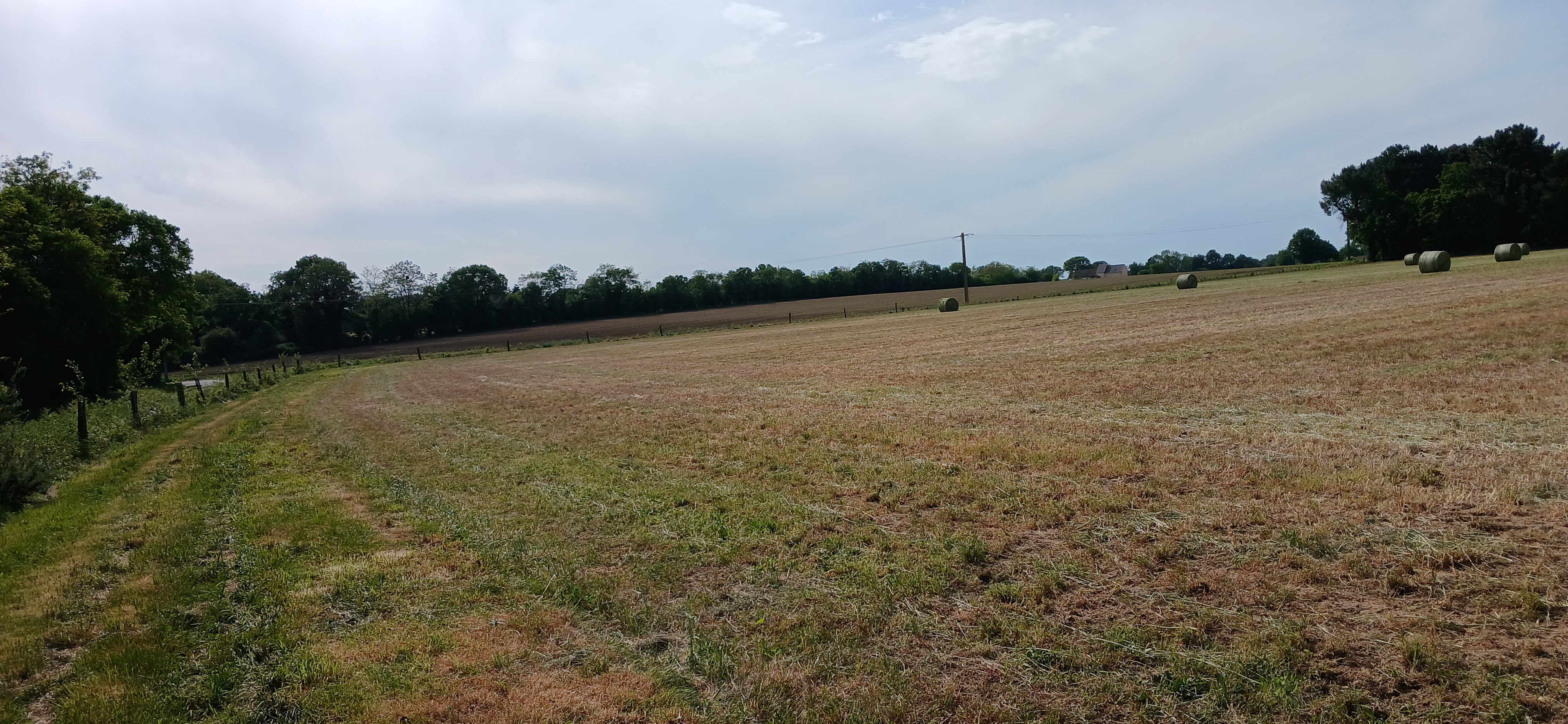
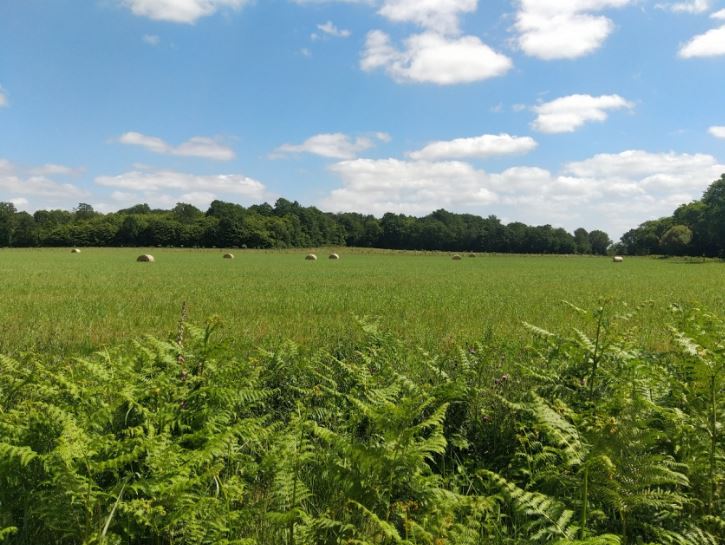
The Sarthe, a lush department in north-western France, nestled between the Maine and the Loire, is an area rich in history and biodiversity. Historically characterised by agriculture and livestock farming, this region of the Pays de la Loire enjoys a temperate oceanic climate, with mild summers and wet winters, ideal for the development of resilient forests.
This project is located in the commune of Roëzé-sur-Sarthe and Laigné-Saint-Gervais in the Sarthe department. The afforestation will take place on plots of land that are currently underutilised and which, in places, adjoin existing woodland. This afforestation project will create 7.4 hectares of forest, using a diverse mix of tree species. Planting is scheduled for the winter of 2026/2027 and will enable the sequestration of 1,936 tonnes of CO₂eq over 30 years*.
Biodiversity: Nine different tree species have been selected for this afforestation project: maritime pine, Corsican laricio pine, chestnut, downy oak, sessile oak, American red oak, field maple, small-leaved lime and service tree. The selected species have been chosen for their resilience to climate change whilst remaining well-suited to current conditions. The plants will be mixed within the plots using an alternating strip planting pattern, with a preference for establishing broadleaved trees along the plot boundaries.
Water resource conservation: No conifers will be planted within 10 metres of the wetlands near the project site.
Socio-economic: a local company will be in charge of carrying out the project.
* The final figure for the estimate will only be established following verification by an independent auditor and an administrative verification decision.