
 Label Bas Carbone

Examples: diversity and locality of crop species, preservation of habitat for local flora and fauna, presence of beehives for pollination.

Examples: territorial dynamics, societal demand, diversification of the activity, local sales/processing, working conditions, sharing of good practices.
Examples: Consideration of wetlands, use of adapted species, drip-connected irrigation tools.

Use of effective tropospheric ozone-removing species or scientific experiments.

Pépinières Naudet is one of the main French producers of young forest plants, which are planted all over France.
Read moreCreation of 2.52 hectares of woodland in the municipality of Le Vignau
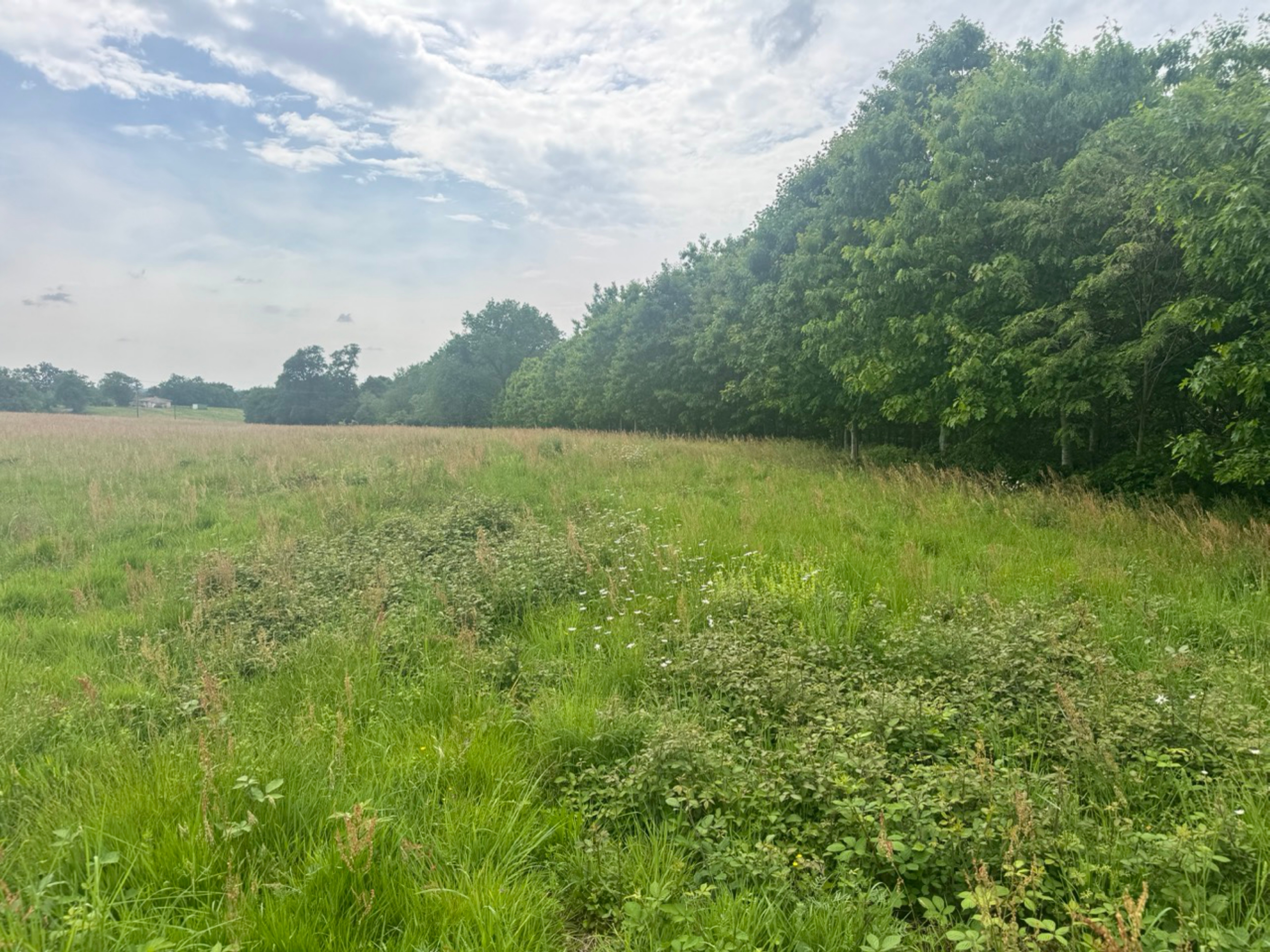
Located in the Landes region, in the commune of Le Vignau, this project is set in a rural area characterised by a mosaic of agricultural landscapes, meadows and woodland. The project involves former meadows, the afforestation of which will help to strengthen the local forest network and create continuity with existing woods and copses. This new forest will also contribute to the region’s adaptation to climate change, the preservation of biodiversity and the sustainable use of agricultural land that is currently not very productive.
This afforestation project will create 2.52 hectares of woodland comprising black locust, Taeda pine and American red oak, and will extend adjacent woodlands. Planting is scheduled for late 2026 / early 2027 and is expected to sequester 834 tonnes of CO₂eq over 30 years*.
Biodiversité : La plantation permettra de créer de nouvelles bordures feuillues linéraires en bordures de parcelles. Les essences choisies ont été étudiées pour résister au réchauffement climatique tout en étant adaptées aux conditions actuelles.
Socio-économique : la plantation sera réalisée par une entreprise locale. Elle sera également certifiée PEFC.
Préservation de la ressource en eau : Aucun résineux de ne sera planté à moins de 10m des zones humides proches du projet.
Changement climatique : Une partie des essences choisies permettent de lutter contre la pollution liée à l'ozone troposphérique (en basse altitude), qui est néfaste pour la bonne santé des végétaux.
* La valeur définitive de l'estimation ne sera établie qu'après vérification par un auditeur indépendant et une décision administrative de vérification.
 Label Bas Carbone
Examples: diversity and locality of crop species, preservation of habitat for local flora and fauna, presence of beehives for pollination.
Examples: territorial dynamics, societal demand, diversification of the activity, local sales/processing, working conditions, sharing of good practices.
Examples: Consideration of wetlands, use of adapted species, drip-connected irrigation tools.
Use of effective tropospheric ozone-removing species or scientific experiments.
Pépinières Naudet is one of the main French producers of young forest plants, which are planted all over France.
Read moreCreation of 2.52 hectares of woodland in the municipality of Le Vignau
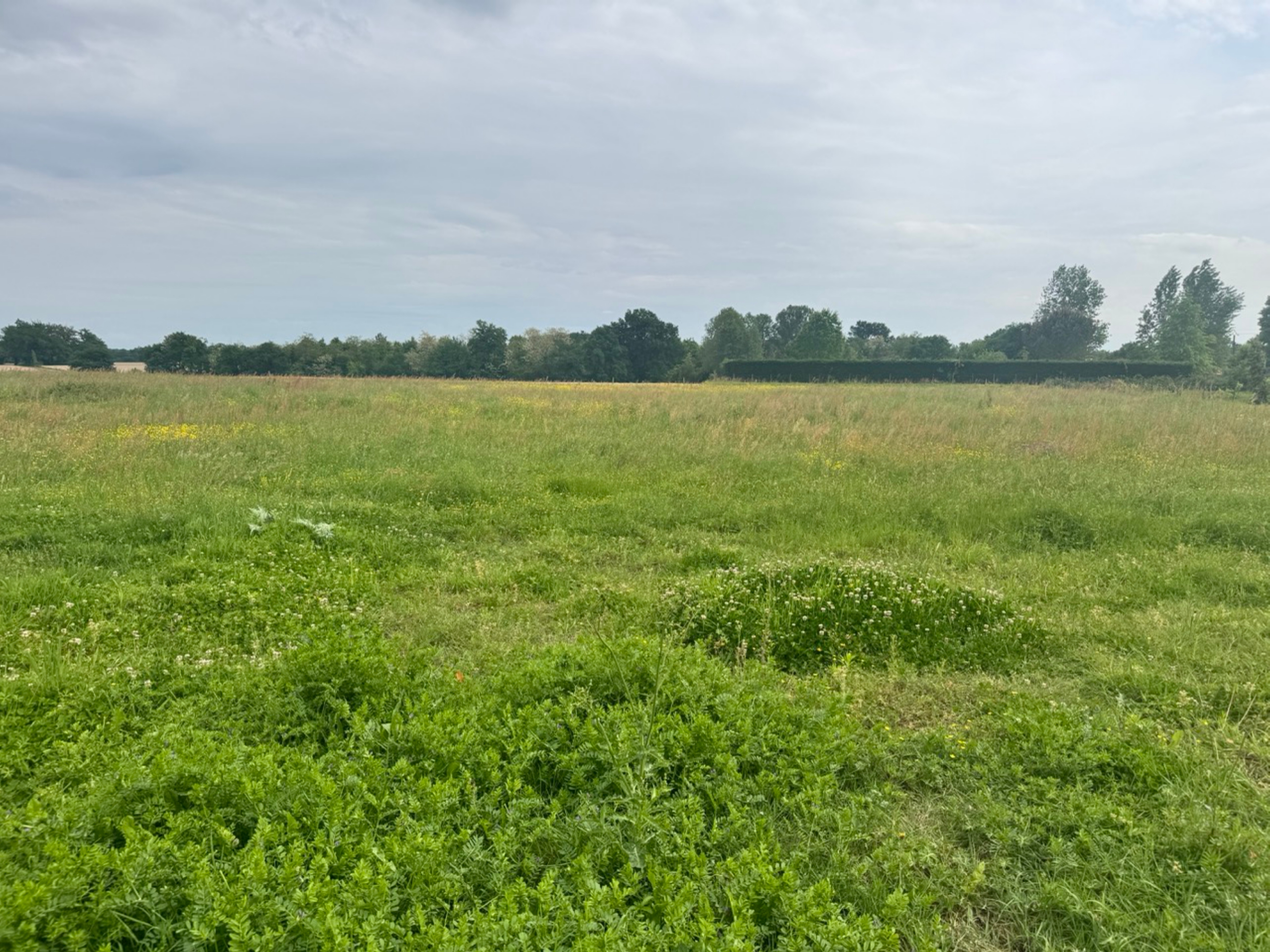
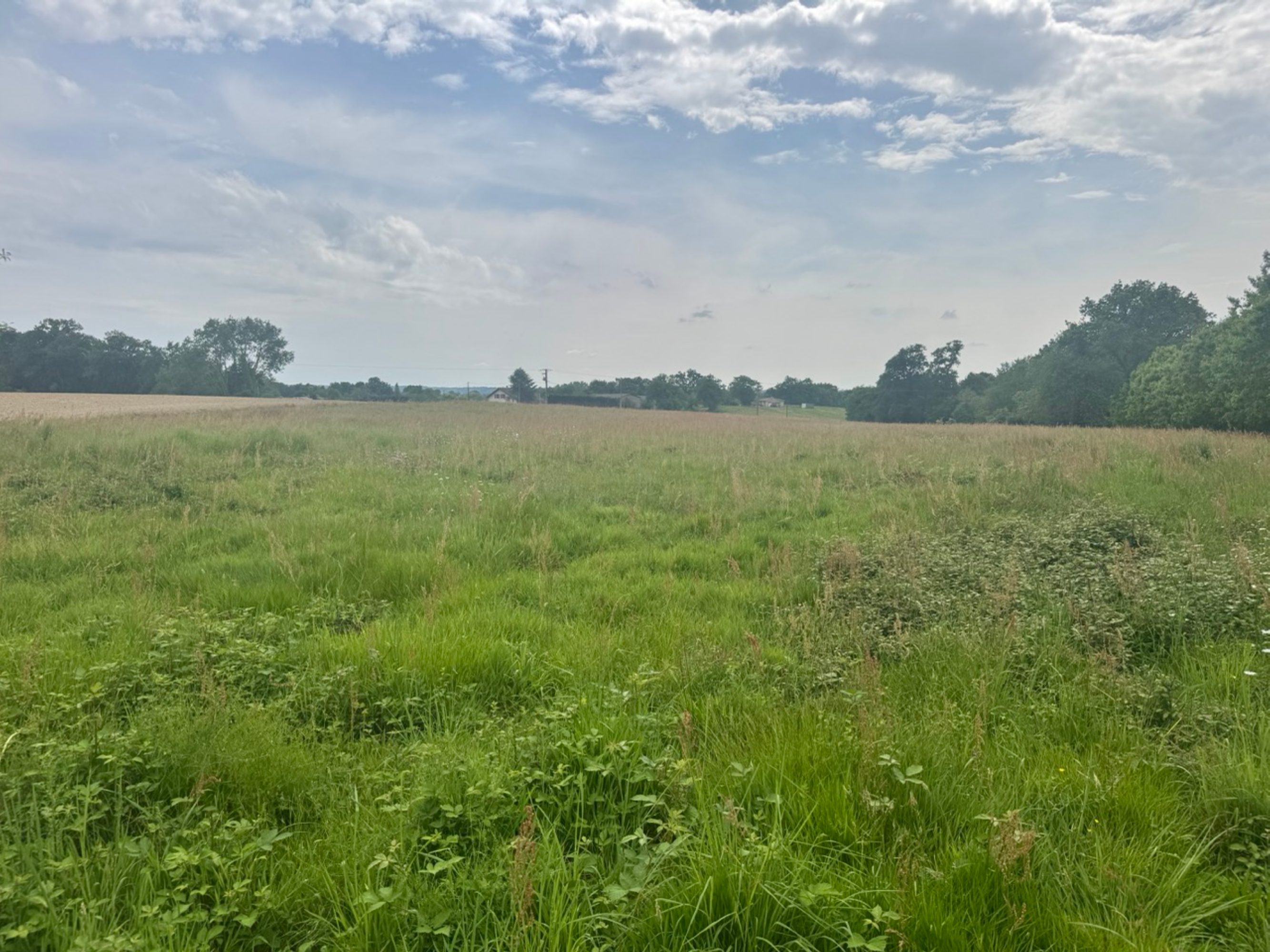
Located in the Landes region, in the commune of Le Vignau, this project is set in a rural area characterised by a mosaic of agricultural landscapes, meadows and woodland. The project involves former meadows, the afforestation of which will help to strengthen the local forest network and create continuity with existing woods and copses. This new forest will also contribute to the region’s adaptation to climate change, the preservation of biodiversity and the sustainable use of agricultural land that is currently not very productive.
This afforestation project will create 2.52 hectares of woodland comprising black locust, Taeda pine and American red oak, and will extend adjacent woodlands. Planting is scheduled for late 2026 / early 2027 and is expected to sequester 834 tonnes of CO₂eq over 30 years*.
Biodiversité : La plantation permettra de créer de nouvelles bordures feuillues linéraires en bordures de parcelles. Les essences choisies ont été étudiées pour résister au réchauffement climatique tout en étant adaptées aux conditions actuelles.
Socio-économique : la plantation sera réalisée par une entreprise locale. Elle sera également certifiée PEFC.
Préservation de la ressource en eau : Aucun résineux de ne sera planté à moins de 10m des zones humides proches du projet.
Changement climatique : Une partie des essences choisies permettent de lutter contre la pollution liée à l'ozone troposphérique (en basse altitude), qui est néfaste pour la bonne santé des végétaux.
* La valeur définitive de l'estimation ne sera établie qu'après vérification par un auditeur indépendant et une décision administrative de vérification.