
 Puro.earth
Examples: territorial dynamics, societal demand, diversification of the activity, local sales/processing, working conditions, sharing of good practices.

Examples: reduction of energy consumption of mobile and stationary installations, reduction of journeys, on-site energy production.

James is a designer and manufacturer of large span glulam buildings for many sectors (agricultural, equestrian, industrial, nautical, aviation). The company designs, manufactures and installs glulam structures throughout the country as well as in Belgium and Switzerland.
Read moreJames' project allows for stable and sustainable carbon storage in buildings using wood construction elements
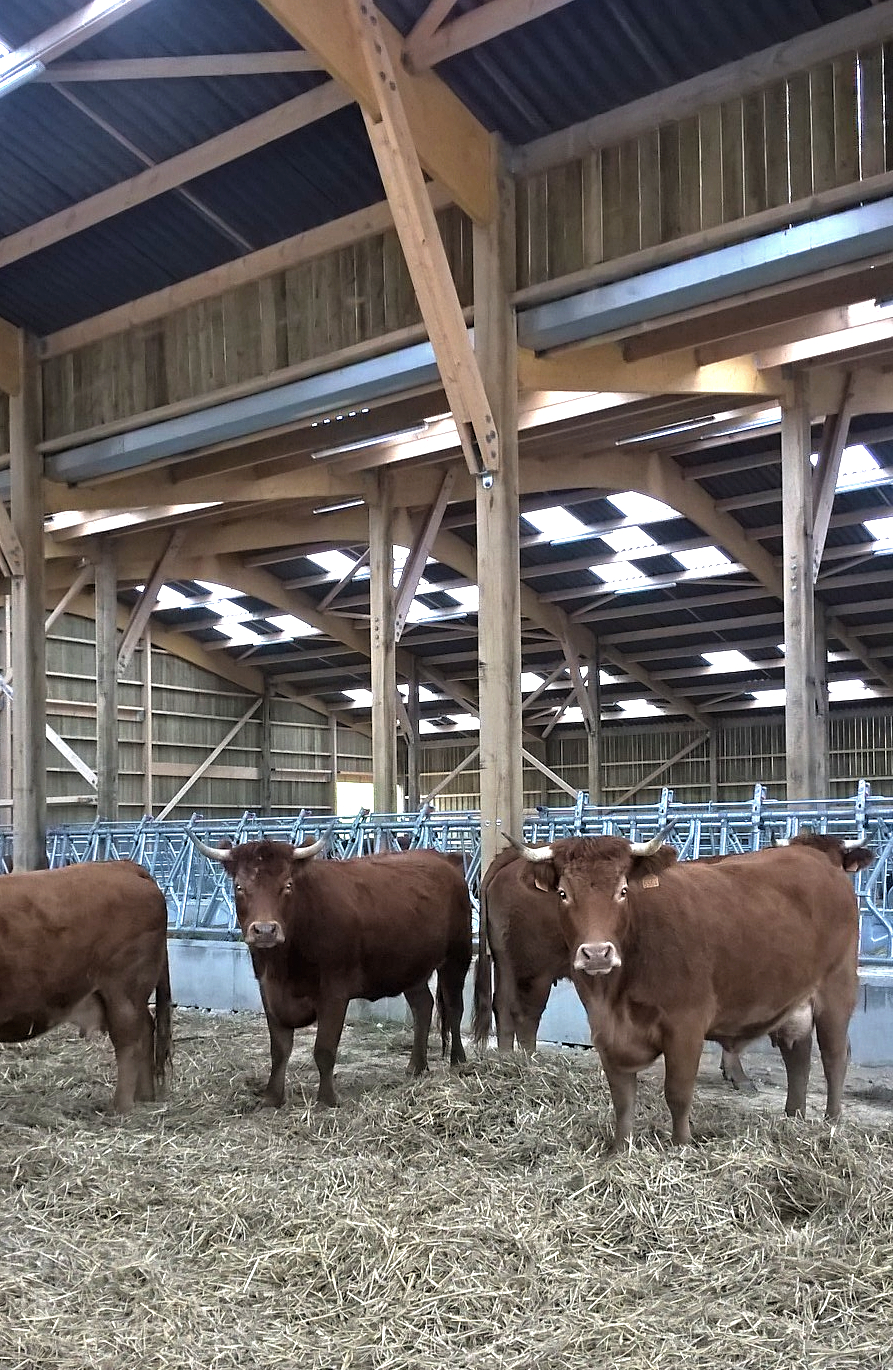
James is a designer and manufacturer of long-span glulam buildings for a wide range of sectors (agricultural, equestrian, industrial, nautical, aviation). The company designs, manufactures and installs glulam structures throughout the country as well as in Belgium and Switzerland.
The objective is to provide installations capable of storing carbon while being the most functional and best finished on the market. James is considered by customers as a high-end partner with the ability not only to produce and implement their projects but also to advise them in their approach.
The glulam construction technique used by James has been recognized for over 60 years. It offers a "green" alternative to other construction solutions such as concrete or steel. For example, for every 1 tCO2 stored in a glulam building, a steel building will consume 10 tCO2! Glued laminated timber has many other technical advantages: fire resistance, aesthetics...
As they grow, trees capture CO2. Once mature, they are cut down and used for various purposes, including construction. By using these wood building elements, James allows for a stable and long-lasting carbon storage (between 50 and 100 years on average) in the buildings.
With the help of PURO revenues, James will allow the storage of more than 4000 teqCO2 per year in the buildings constructed (200 to 250,000 m²/year of covered surface).
For over 20 years, James has been passionately committed to a true environmental and societal approach. In addition to carbon storage, James is exemplary on many other points:
- 100% of the sawn timber consumed is PEFC or FSC certified
- The company is autonomous in gas since 2020
- A project of self-consumption of electricity was launched this year with two main axes, the reduction of consumption (15 to 20%) and the self-production of energy thanks to a photovoltaic plant. This will enable James to be 100% neutral in its impact by the summer of 2024.
- James will recycle 100% of its wood waste on its site before the summer of 2023. 100% of the facility is heated with the new boiler installed in 2018 and the company is investing in a pellet manufacturing project that should be underway by next summer!
- Finally, PURO's revenues will also be used to invest in equipment to reduce its ecological impact (relamping of the entire plant in 2022, resin floor treatment tank with 100% effluent recovery...) as well as in the implementation of new technologies within the company (CLT, LVL, wood skeleton...).
 Puro.earth
Examples: territorial dynamics, societal demand, diversification of the activity, local sales/processing, working conditions, sharing of good practices.
Examples: reduction of energy consumption of mobile and stationary installations, reduction of journeys, on-site energy production.
James is a designer and manufacturer of large span glulam buildings for many sectors (agricultural, equestrian, industrial, nautical, aviation). The company designs, manufactures and installs glulam structures throughout the country as well as in Belgium and Switzerland.
Read moreJames' project allows for stable and sustainable carbon storage in buildings using wood construction elements
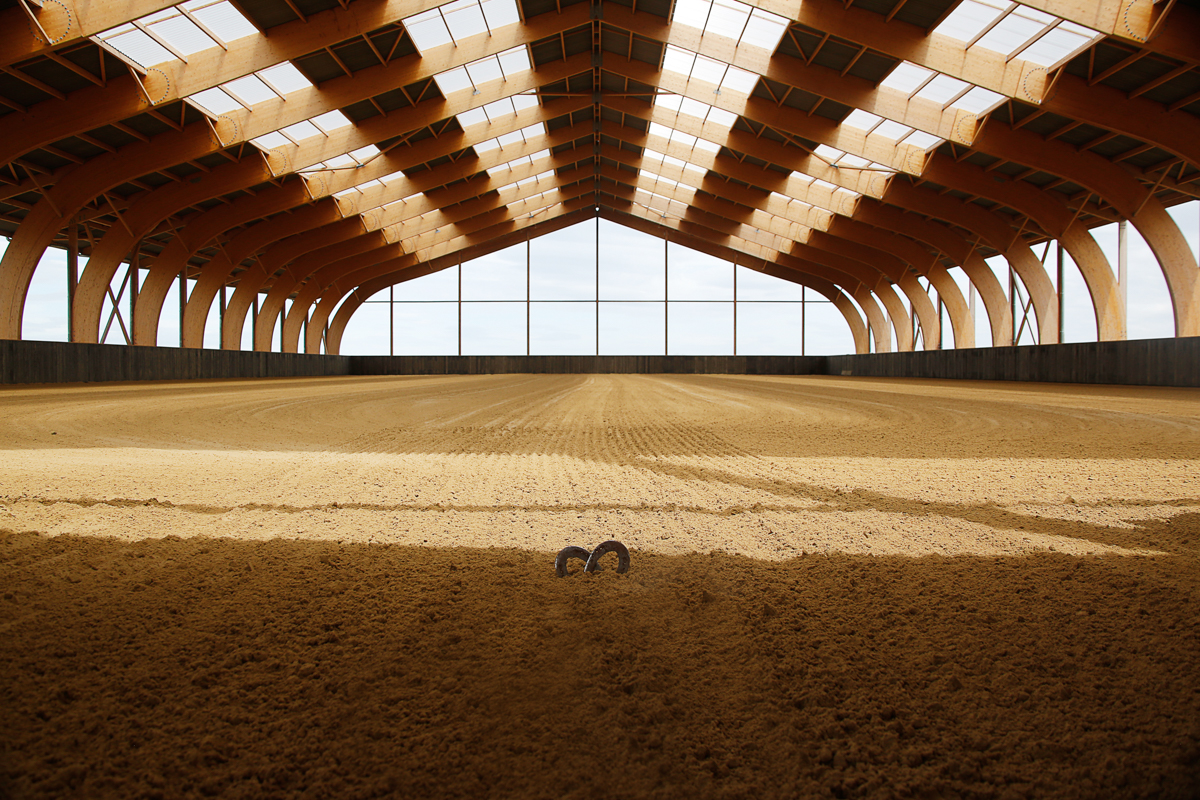
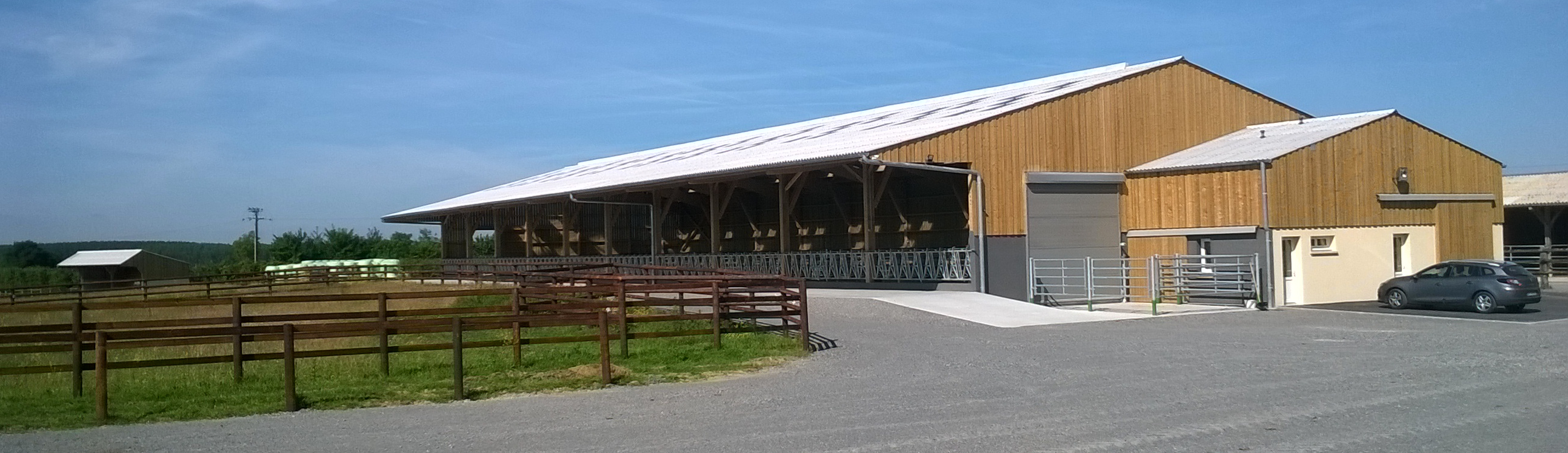
James is a designer and manufacturer of long-span glulam buildings for a wide range of sectors (agricultural, equestrian, industrial, nautical, aviation). The company designs, manufactures and installs glulam structures throughout the country as well as in Belgium and Switzerland.
The objective is to provide installations capable of storing carbon while being the most functional and best finished on the market. James is considered by customers as a high-end partner with the ability not only to produce and implement their projects but also to advise them in their approach.
The glulam construction technique used by James has been recognized for over 60 years. It offers a "green" alternative to other construction solutions such as concrete or steel. For example, for every 1 tCO2 stored in a glulam building, a steel building will consume 10 tCO2! Glued laminated timber has many other technical advantages: fire resistance, aesthetics...
As they grow, trees capture CO2. Once mature, they are cut down and used for various purposes, including construction. By using these wood building elements, James allows for a stable and long-lasting carbon storage (between 50 and 100 years on average) in the buildings.
With the help of PURO revenues, James will allow the storage of more than 4000 teqCO2 per year in the buildings constructed (200 to 250,000 m²/year of covered surface).
For over 20 years, James has been passionately committed to a true environmental and societal approach. In addition to carbon storage, James is exemplary on many other points:
- 100% of the sawn timber consumed is PEFC or FSC certified
- The company is autonomous in gas since 2020
- A project of self-consumption of electricity was launched this year with two main axes, the reduction of consumption (15 to 20%) and the self-production of energy thanks to a photovoltaic plant. This will enable James to be 100% neutral in its impact by the summer of 2024.
- James will recycle 100% of its wood waste on its site before the summer of 2023. 100% of the facility is heated with the new boiler installed in 2018 and the company is investing in a pellet manufacturing project that should be underway by next summer!
- Finally, PURO's revenues will also be used to invest in equipment to reduce its ecological impact (relamping of the entire plant in 2022, resin floor treatment tank with 100% effluent recovery...) as well as in the implementation of new technologies within the company (CLT, LVL, wood skeleton...).