
 Label Bas Carbone
Examples: reducing the frequency of soil cultivation, minimalist plot preparation, restoring organic matter and preserving soil microfauna.

Examples: diversity and locality of crop species, preservation of habitat for local flora and fauna, presence of beehives for pollination.

Examples: territorial dynamics, societal demand, diversification of the activity, local sales/processing, working conditions, sharing of good practices.

Examples: Consideration of wetlands, use of adapted species, drip-connected irrigation tools.
New apple plantation
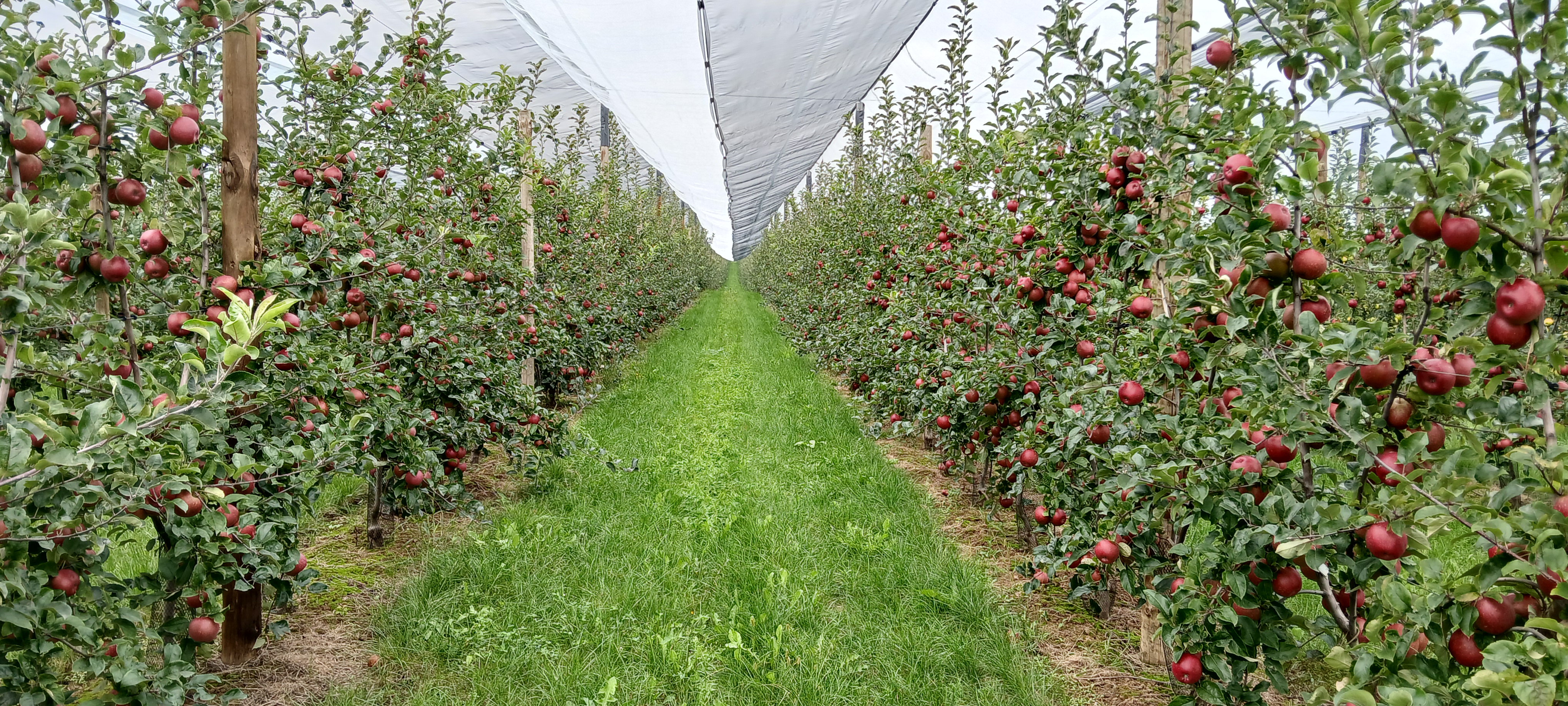
Mr. Barth plans to convert more of his annual crop area into orchards. He plans to plant an additional 1.25 ha of apple trees in the winter of 2022-2023 in Marlenheim in the Bas Rhin department. This project will allow the additional storage of nearly 70 tons of CO2 equivalent in 20 years*.
In 1997, at the age of 23, Pierre Barth took over his parents' farm, which was mainly focused on livestock. He then decided to start apple production with 2 hectares of orchards. Since then, the business has continued to develop and diversify to reach a surface area of 100 hectares, including 18 hectares of orchards.
Pierre Barth and his team cultivate a hundred hectares of land devoted essentially to the production of apples, potatoes, cereals and wine grapes that will be used to make crémant and wine.
This orchard planting project allows both to increase the carbon storage on the farm, but also to enhance an environmentally friendly agricultural activity.
In 2019, the farm received High Environmental Value (HVE) certification, proof of its commitment. It guarantees that the agricultural practices employed minimize the pressure on the environment (soil, water, biodiversity...) while preserving the natural ecosystem. In addition, the orchards have also been labeled Eco-responsible Orchards and GLOBALG.A.P certified for over 20 years.
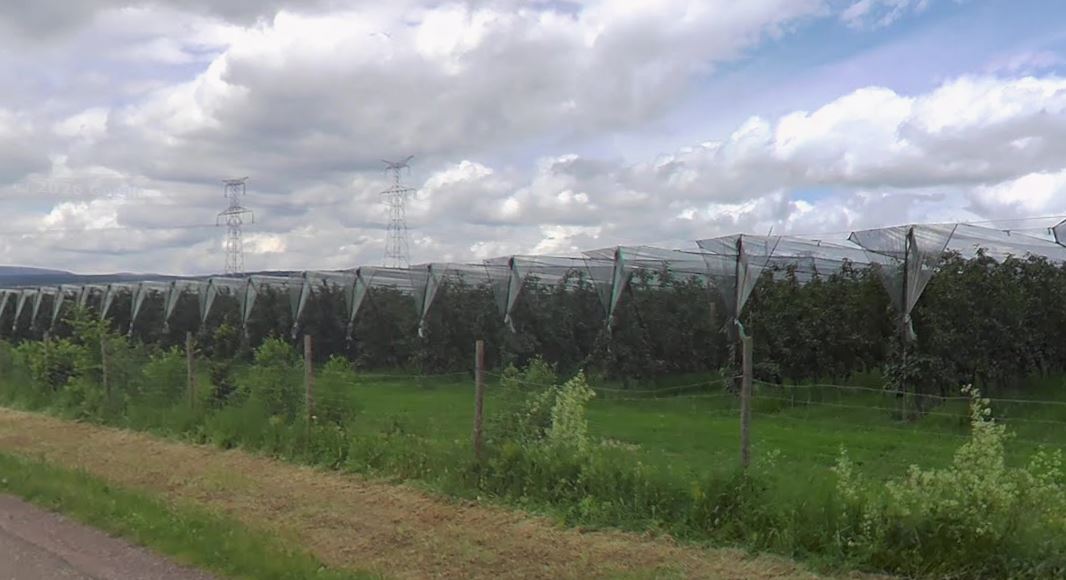
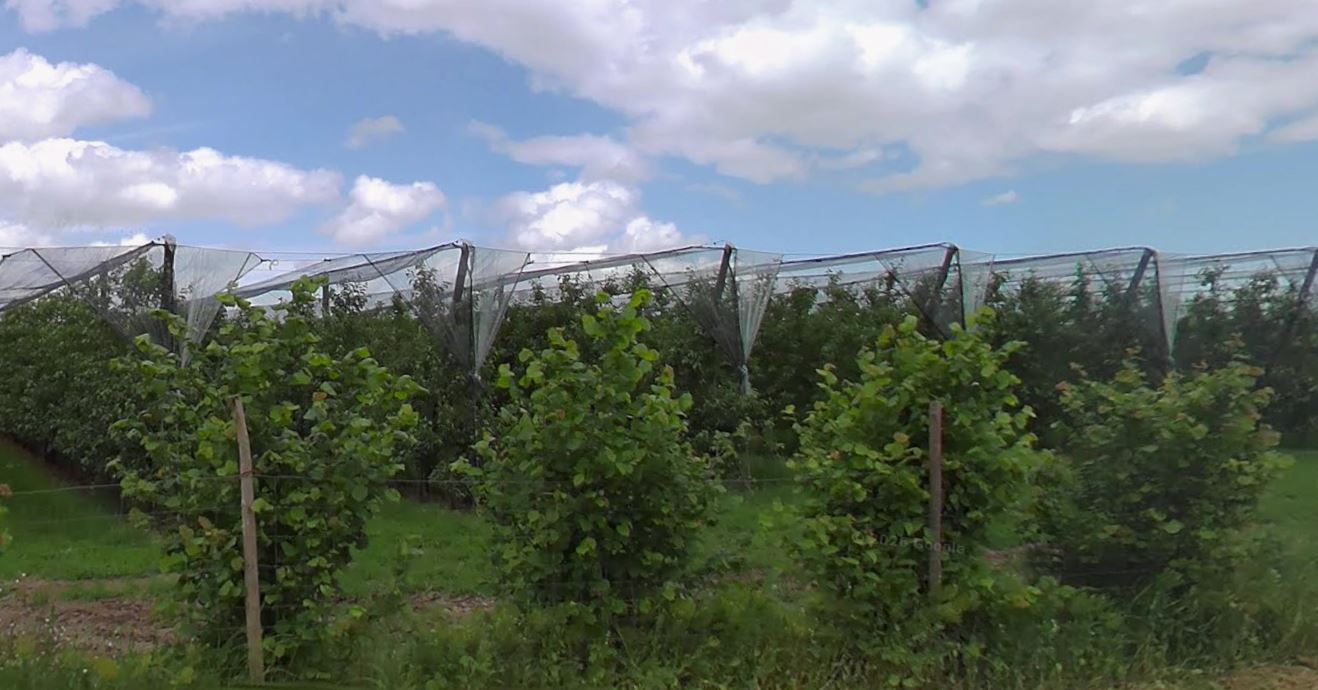
Other specific actions are implemented such as the installation of hail protection nets to protect the plants, or photovoltaic panels on the farm buildings to produce energy on site.
From a socio-economic point of view, the orchard's productions are sold and transformed by local cooperatives in order to create a territorial added value and improve the economic fabric.
The activity also allows to employ one full-time employee and 10 seasonal employees.
The increase in the production of the orchards also makes it possible to reduce imports and to meet the demand in this very dense region with a deficit of fruit.
* The final value of the estimate will only be established after verification by an independent auditor and an administrative verification decision.
 Label Bas Carbone
Examples: reducing the frequency of soil cultivation, minimalist plot preparation, restoring organic matter and preserving soil microfauna.
Examples: diversity and locality of crop species, preservation of habitat for local flora and fauna, presence of beehives for pollination.
Examples: territorial dynamics, societal demand, diversification of the activity, local sales/processing, working conditions, sharing of good practices.
Examples: Consideration of wetlands, use of adapted species, drip-connected irrigation tools.
New apple plantation
Mr. Barth plans to convert more of his annual crop area into orchards. He plans to plant an additional 1.25 ha of apple trees in the winter of 2022-2023 in Marlenheim in the Bas Rhin department. This project will allow the additional storage of nearly 70 tons of CO2 equivalent in 20 years*.
In 1997, at the age of 23, Pierre Barth took over his parents' farm, which was mainly focused on livestock. He then decided to start apple production with 2 hectares of orchards. Since then, the business has continued to develop and diversify to reach a surface area of 100 hectares, including 18 hectares of orchards.
Pierre Barth and his team cultivate a hundred hectares of land devoted essentially to the production of apples, potatoes, cereals and wine grapes that will be used to make crémant and wine.
This orchard planting project allows both to increase the carbon storage on the farm, but also to enhance an environmentally friendly agricultural activity.
In 2019, the farm received High Environmental Value (HVE) certification, proof of its commitment. It guarantees that the agricultural practices employed minimize the pressure on the environment (soil, water, biodiversity...) while preserving the natural ecosystem. In addition, the orchards have also been labeled Eco-responsible Orchards and GLOBALG.A.P certified for over 20 years.
Other specific actions are implemented such as the installation of hail protection nets to protect the plants, or photovoltaic panels on the farm buildings to produce energy on site.
From a socio-economic point of view, the orchard's productions are sold and transformed by local cooperatives in order to create a territorial added value and improve the economic fabric.
The activity also allows to employ one full-time employee and 10 seasonal employees.
The increase in the production of the orchards also makes it possible to reduce imports and to meet the demand in this very dense region with a deficit of fruit.
* The final value of the estimate will only be established after verification by an independent auditor and an administrative verification decision.