
 Label Bas Carbone
Examples: reducing the frequency of soil cultivation, minimalist plot preparation, restoring organic matter and preserving soil microfauna.

Examples: territorial dynamics, societal demand, diversification of the activity, local sales/processing, working conditions, sharing of good practices.

Examples: Consideration of wetlands, use of adapted species, drip-connected irrigation tools.
EARL Gave Adour
EARL Gave Adour - Exploitation agricole produisant entre autres des kiwis
Read more
Agricultural cooperative grouping 350 kiwifruit producers in the south-west of France. 1st French kiwifruit producer.
Read morePlantation of one hectare of kiwis
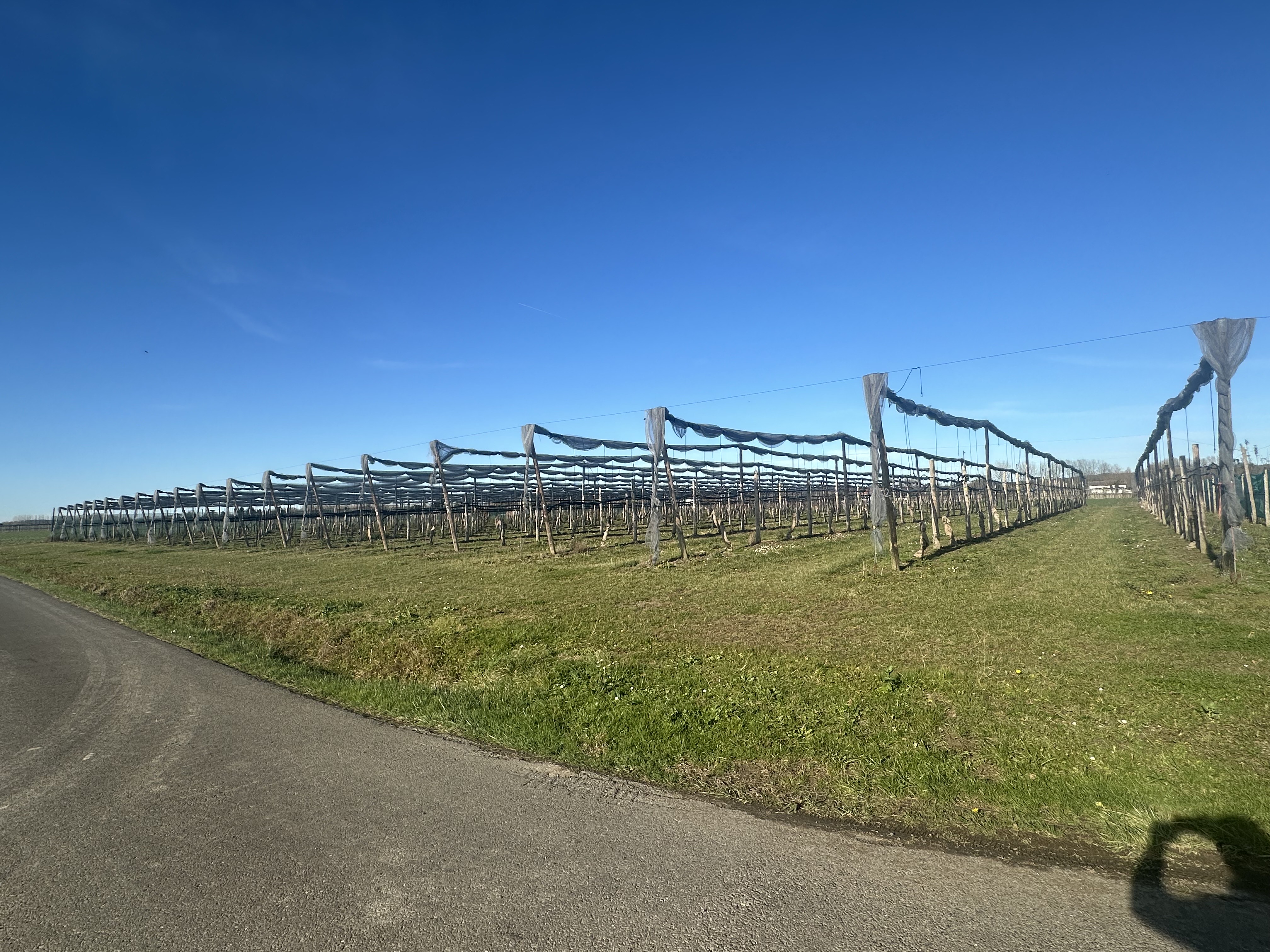
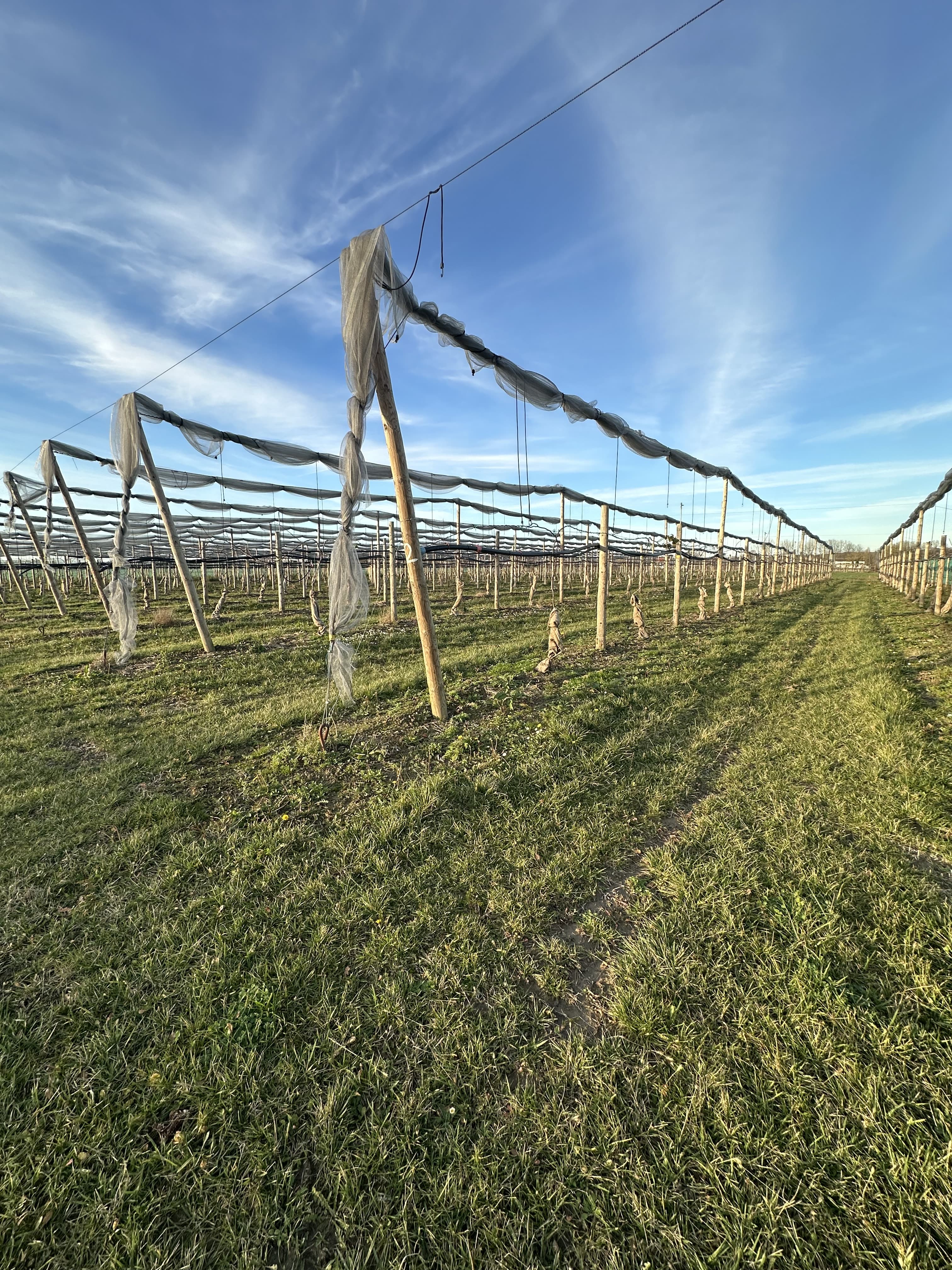
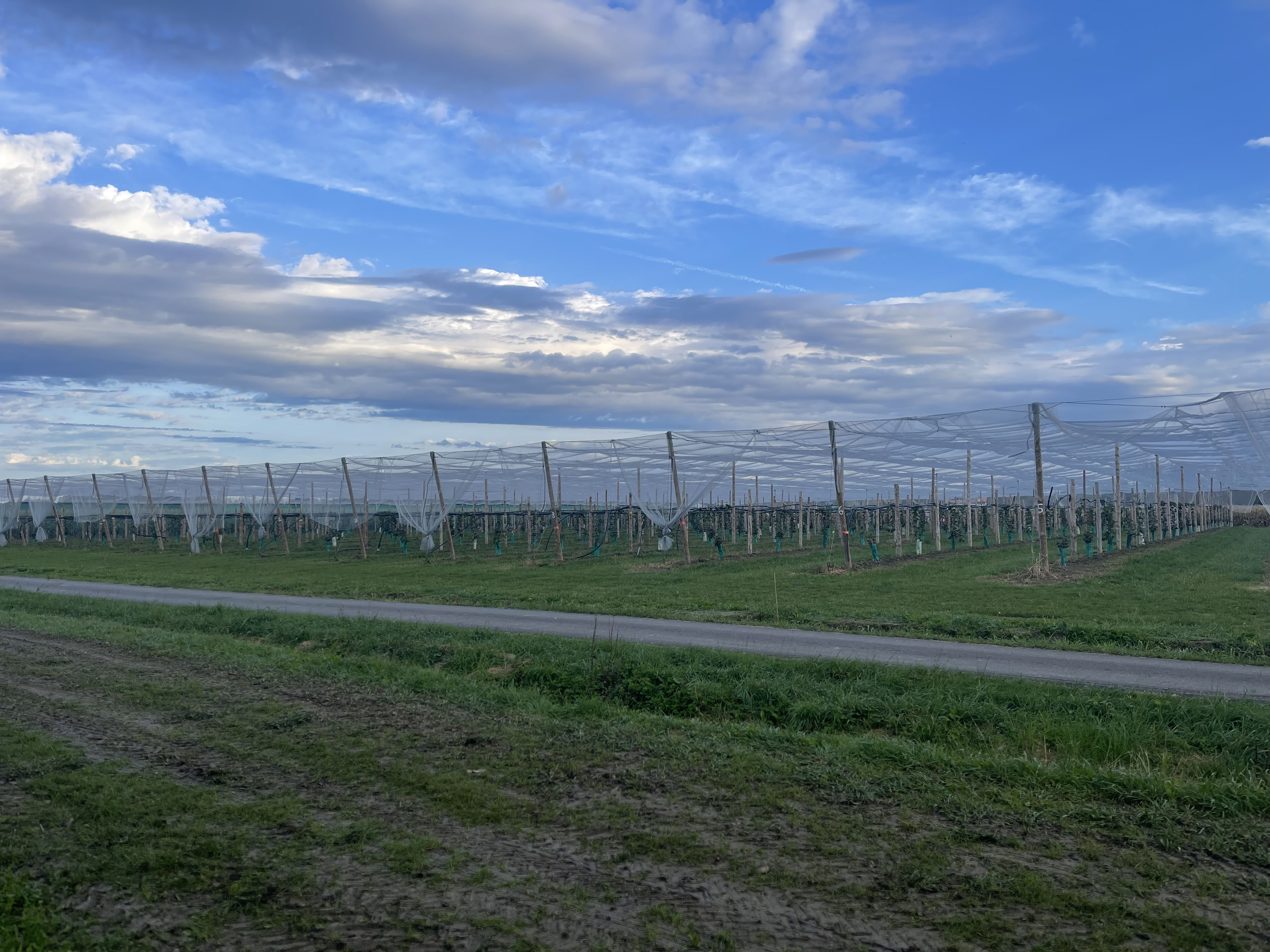
Robert Dasquet's farm plans to plant 1 hectare of kiwifruit in April 2023. The selected plots were previously used for annual cereal crops.
Planting permanent trees will sequester more CO2 throughout the year compared to a temporary crop. This project will make it possible to store 44.15 tonnes of CO2 equivalent in 20 years*.
The soil will also be able to sequester more CO2 because it will no longer be worked each year. In addition, this new plantation will require very little fertilizer and treatment compared to previous crops. This new cultural itinerary will contribute to avoiding emissions and makes the project even more virtuous.
The project responds to social and economic issues: The production of kiwis is still not very present in France, increasing it means reducing our imports.
The operator is keen to limit soil disturbance: Depending on the mode of operation, the soil is at risk of direct or indirect disturbance with the passage of heavy machinery, the partial destruction of vegetation or herbaceous cover which may affect both flora and fauna. In an effort to limit these risks, the farm is committed to a low frequency of deep tillage operations.
Water resources will be protected: In order to limit soil erosion, leaching and therefore overconsumption of fertilizers, 70% of the orchard will benefit from permanent grass cover. An action that will also be very beneficial for local biodiversity and will limit overconsumption of water. Precision irrigation equipment, such as an Aqualis probe, will also be used to limit the quantities of water needed for crops.
* The final value of the estimate will only be established after verification by an independent auditor and an administrative verification decision.
 Label Bas Carbone
Examples: reducing the frequency of soil cultivation, minimalist plot preparation, restoring organic matter and preserving soil microfauna.
Examples: territorial dynamics, societal demand, diversification of the activity, local sales/processing, working conditions, sharing of good practices.
Examples: Consideration of wetlands, use of adapted species, drip-connected irrigation tools.
EARL Gave Adour
EARL Gave Adour - Exploitation agricole produisant entre autres des kiwis
Read moreAgricultural cooperative grouping 350 kiwifruit producers in the south-west of France. 1st French kiwifruit producer.
Read morePlantation of one hectare of kiwis
Robert Dasquet's farm plans to plant 1 hectare of kiwifruit in April 2023. The selected plots were previously used for annual cereal crops.
Planting permanent trees will sequester more CO2 throughout the year compared to a temporary crop. This project will make it possible to store 44.15 tonnes of CO2 equivalent in 20 years*.
The soil will also be able to sequester more CO2 because it will no longer be worked each year. In addition, this new plantation will require very little fertilizer and treatment compared to previous crops. This new cultural itinerary will contribute to avoiding emissions and makes the project even more virtuous.
The project responds to social and economic issues: The production of kiwis is still not very present in France, increasing it means reducing our imports.
The operator is keen to limit soil disturbance: Depending on the mode of operation, the soil is at risk of direct or indirect disturbance with the passage of heavy machinery, the partial destruction of vegetation or herbaceous cover which may affect both flora and fauna. In an effort to limit these risks, the farm is committed to a low frequency of deep tillage operations.
Water resources will be protected: In order to limit soil erosion, leaching and therefore overconsumption of fertilizers, 70% of the orchard will benefit from permanent grass cover. An action that will also be very beneficial for local biodiversity and will limit overconsumption of water. Precision irrigation equipment, such as an Aqualis probe, will also be used to limit the quantities of water needed for crops.
* The final value of the estimate will only be established after verification by an independent auditor and an administrative verification decision.