
 Label Bas Carbone
Examples: reducing the frequency of soil cultivation, minimalist plot preparation, restoring organic matter and preserving soil microfauna.

Examples: diversity and locality of crop species, preservation of habitat for local flora and fauna, presence of beehives for pollination.

Examples: territorial dynamics, societal demand, diversification of the activity, local sales/processing, working conditions, sharing of good practices.

Examples: Consideration of wetlands, use of adapted species, drip-connected irrigation tools.

Agricultural walnut and hazelnut cooperative that brings together more than 350 producers in the western half of France.
Read moreExpansion of 8 ha of hazelnut orchards at the EARL de la Bonne Maison in Eure-et-Loir
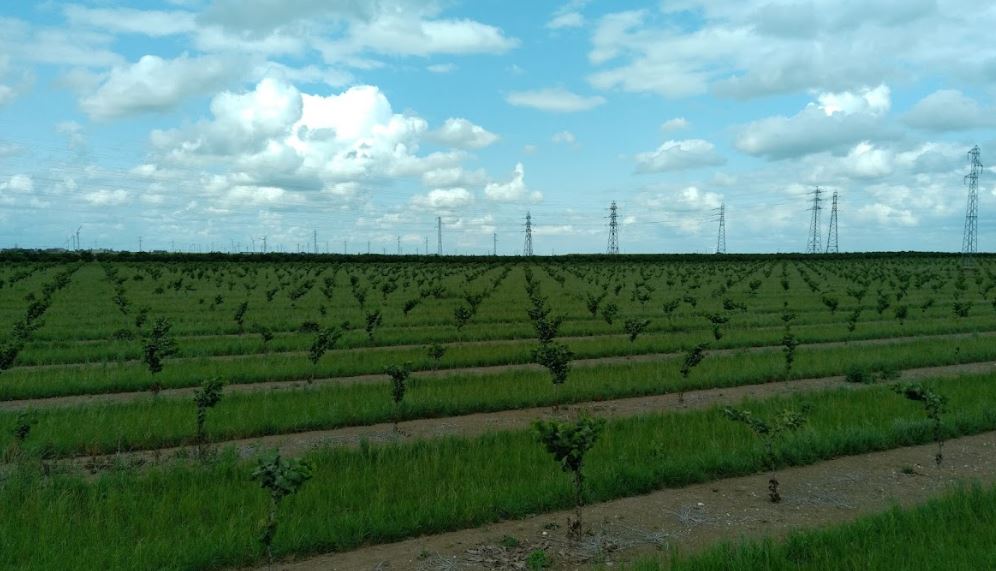
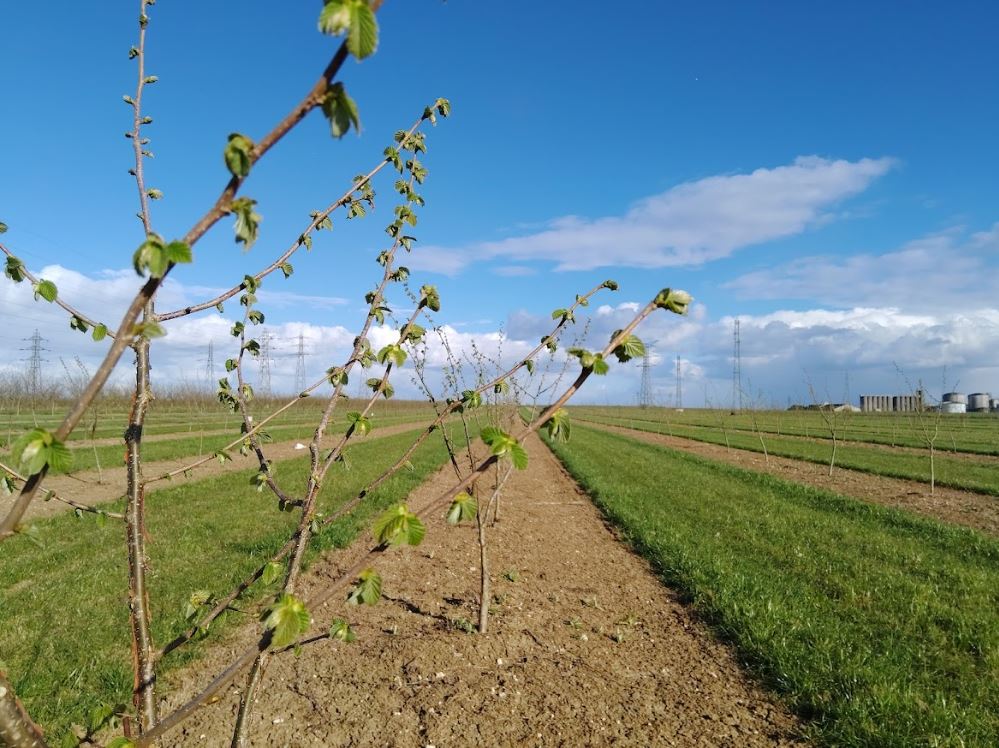
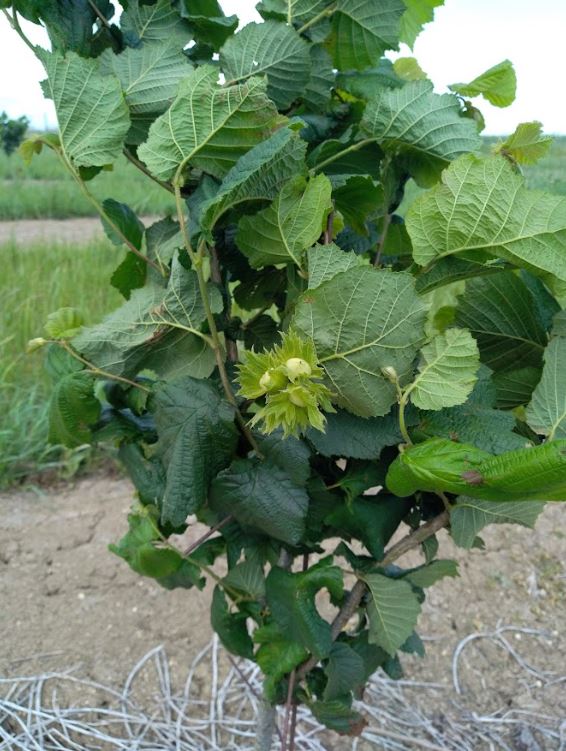
Pierre Lesage's farm plans to expand its hazelnut crops by planting 8 ha of orchards during the winter of 2023-2024. The selected plots were previously used for annual field crops. This project is quite remarkable because it is not very common in a department largely located in Beauce, an agricultural region renowned for its large-scale industrial crops and large farms.
Planting permanent trees will sequester more CO2 throughout the year than a temporary crop. This project will allow to store 409.42 tons of CO2 equivalent in 20 years*.
The farm has been certified High Environmental Value (HVE) since the summer of 2020, which guarantees a reasoned and efficient management of its inputs (fertilizers, irrigation, phytosanitary products) as well as the preservation of hedges, tree lines, wood edges and other natural features of ecological interest around the plots.
This project allows the relocation of hazelnut production in France, as this product is nowadays mostly imported from abroad. A majority of the sales of hazelnuts of the exploitation are made at the local level.
The soil will also be able to sequester more CO2 because it will not be worked every year. Moreover, this new plantation will require less fertilizer and treatments compared to previous crops. This new cultivation itinerary will contribute to avoid emissions and makes the project even more virtuous.
* The final value of the estimate will only be established after verification by an independent auditor and an administrative verification decision.
 Label Bas Carbone
Examples: reducing the frequency of soil cultivation, minimalist plot preparation, restoring organic matter and preserving soil microfauna.
Examples: diversity and locality of crop species, preservation of habitat for local flora and fauna, presence of beehives for pollination.
Examples: territorial dynamics, societal demand, diversification of the activity, local sales/processing, working conditions, sharing of good practices.
Examples: Consideration of wetlands, use of adapted species, drip-connected irrigation tools.
Agricultural walnut and hazelnut cooperative that brings together more than 350 producers in the western half of France.
Read moreExpansion of 8 ha of hazelnut orchards at the EARL de la Bonne Maison in Eure-et-Loir
Pierre Lesage's farm plans to expand its hazelnut crops by planting 8 ha of orchards during the winter of 2023-2024. The selected plots were previously used for annual field crops. This project is quite remarkable because it is not very common in a department largely located in Beauce, an agricultural region renowned for its large-scale industrial crops and large farms.
Planting permanent trees will sequester more CO2 throughout the year than a temporary crop. This project will allow to store 409.42 tons of CO2 equivalent in 20 years*.
The farm has been certified High Environmental Value (HVE) since the summer of 2020, which guarantees a reasoned and efficient management of its inputs (fertilizers, irrigation, phytosanitary products) as well as the preservation of hedges, tree lines, wood edges and other natural features of ecological interest around the plots.
This project allows the relocation of hazelnut production in France, as this product is nowadays mostly imported from abroad. A majority of the sales of hazelnuts of the exploitation are made at the local level.
The soil will also be able to sequester more CO2 because it will not be worked every year. Moreover, this new plantation will require less fertilizer and treatments compared to previous crops. This new cultivation itinerary will contribute to avoid emissions and makes the project even more virtuous.
* The final value of the estimate will only be established after verification by an independent auditor and an administrative verification decision.