
 Label Bas Carbone
Examples: reducing the frequency of soil cultivation, minimalist plot preparation, restoring organic matter and preserving soil microfauna.

Examples: diversity and locality of crop species, preservation of habitat for local flora and fauna, presence of beehives for pollination.

Examples: territorial dynamics, societal demand, diversification of the activity, local sales/processing, working conditions, sharing of good practices.

Examples: Consideration of wetlands, use of adapted species, drip-connected irrigation tools.
EARL de Bardinau
EARL de Bardinau - Exploitation agricole cultivant entre autres des noisetiers
Read more
Agricultural walnut and hazelnut cooperative that brings together more than 350 producers in the western half of France.
Read moreNew planting in Lot-et-Garonne
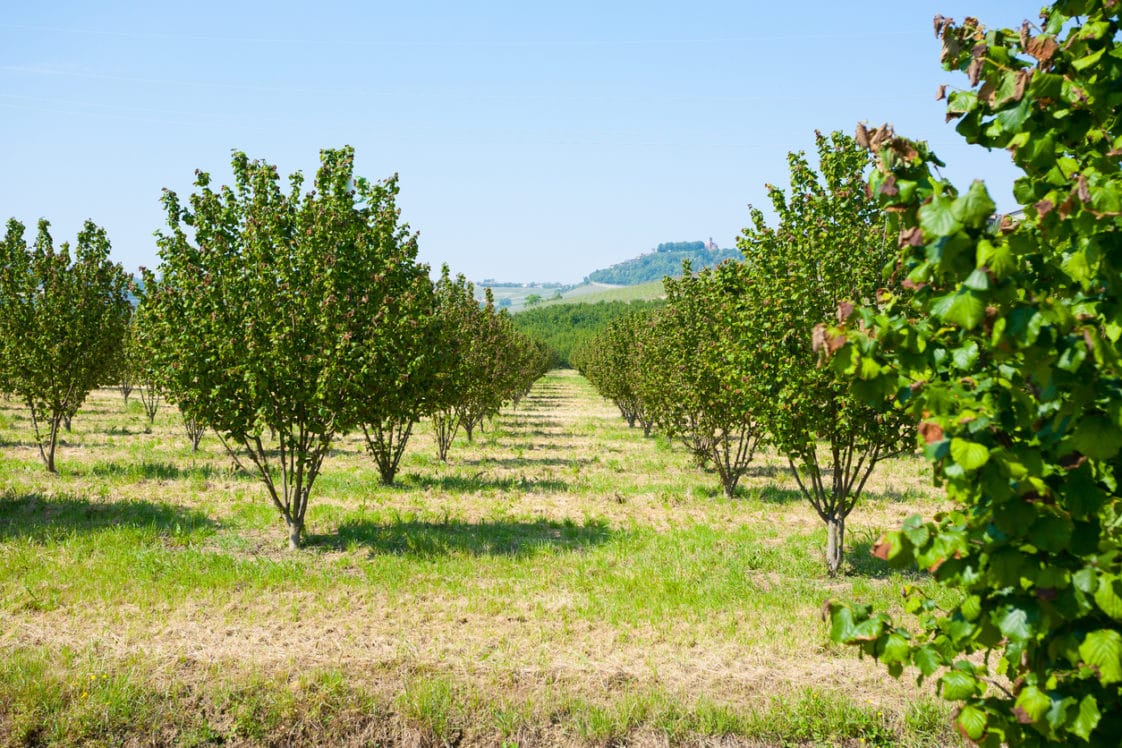
Located in the heart of Lot-et-Garonne in the Nouvelle-Aquitaine region, the commune of Varès enjoys a mild oceanic climate ideal for agriculture. This area, with its long agricultural tradition, is renowned for the diversity of its crops and the richness of its alluvial soils. Lot-et-Garonne is often called the "garden of France," thanks to its orchards, cereals, and vegetable crops, making agriculture a cornerstone of its local economy. The fruit sector—especially hazelnut production—is increasingly prominent, supported by major players like Unicoque-Koki, France’s leading hazelnut cooperative.
This project by Mr. Cyril Belloc consists of increasing the area of hazelnut orchards on his farm. The selected plots were previously used for annual crops such as cereals. Planting permanent trees will sequester more CO2 throughout the year compared to a temporary crop. The soil will also be able to sequester more CO2 because it will no longer be worked each year. In addition, this new plantation will require very little fertilizer and treatment compared to previous crops. This new cultural itinerary will contribute to avoiding emissions and makes the project even more virtuous.
The farm has been certified High Environmental Value (HVE) since 2023, which guarantees a reasoned and efficient management of its inputs (fertilizers, irrigation, phytosanitary products) as well as the preservation of hedges, tree lines, wood edges and others. natural features of ecological interest around the plots.
The soil will also be able to sequester more CO2 because it will not be worked every year. Moreover, this new plantation will require less fertilizer and treatments compared to previous crops. This new cultivation itinerary will contribute to avoid emissions and make the project even more virtuous.
This project makes it possible to relocate the production of hazelnuts in France because this product is today very mainly imported from abroad. A majority of the farm's hazelnut sales are made locally.
 Label Bas Carbone
Examples: reducing the frequency of soil cultivation, minimalist plot preparation, restoring organic matter and preserving soil microfauna.
Examples: diversity and locality of crop species, preservation of habitat for local flora and fauna, presence of beehives for pollination.
Examples: territorial dynamics, societal demand, diversification of the activity, local sales/processing, working conditions, sharing of good practices.
Examples: Consideration of wetlands, use of adapted species, drip-connected irrigation tools.
EARL de Bardinau
EARL de Bardinau - Exploitation agricole cultivant entre autres des noisetiers
Read moreAgricultural walnut and hazelnut cooperative that brings together more than 350 producers in the western half of France.
Read moreNew planting in Lot-et-Garonne
Located in the heart of Lot-et-Garonne in the Nouvelle-Aquitaine region, the commune of Varès enjoys a mild oceanic climate ideal for agriculture. This area, with its long agricultural tradition, is renowned for the diversity of its crops and the richness of its alluvial soils. Lot-et-Garonne is often called the "garden of France," thanks to its orchards, cereals, and vegetable crops, making agriculture a cornerstone of its local economy. The fruit sector—especially hazelnut production—is increasingly prominent, supported by major players like Unicoque-Koki, France’s leading hazelnut cooperative.
This project by Mr. Cyril Belloc consists of increasing the area of hazelnut orchards on his farm. The selected plots were previously used for annual crops such as cereals. Planting permanent trees will sequester more CO2 throughout the year compared to a temporary crop. The soil will also be able to sequester more CO2 because it will no longer be worked each year. In addition, this new plantation will require very little fertilizer and treatment compared to previous crops. This new cultural itinerary will contribute to avoiding emissions and makes the project even more virtuous.
The farm has been certified High Environmental Value (HVE) since 2023, which guarantees a reasoned and efficient management of its inputs (fertilizers, irrigation, phytosanitary products) as well as the preservation of hedges, tree lines, wood edges and others. natural features of ecological interest around the plots.
The soil will also be able to sequester more CO2 because it will not be worked every year. Moreover, this new plantation will require less fertilizer and treatments compared to previous crops. This new cultivation itinerary will contribute to avoid emissions and make the project even more virtuous.
This project makes it possible to relocate the production of hazelnuts in France because this product is today very mainly imported from abroad. A majority of the farm's hazelnut sales are made locally.