
 Label Bas Carbone
Examples: reducing the frequency of soil cultivation, minimalist plot preparation, restoring organic matter and preserving soil microfauna.

Examples: territorial dynamics, societal demand, diversification of the activity, local sales/processing, working conditions, sharing of good practices.

Examples: Consideration of wetlands, use of adapted species, drip-connected irrigation tools.
EARL les Deux Ormes
SCEA Lou Gay - Farm growing hazelnut trees and other crops
Read more
Agricultural walnut and hazelnut cooperative that brings together more than 350 producers in the western half of France.
Read morePlanting a 8,79 ha orchard in Eure-et-Loir
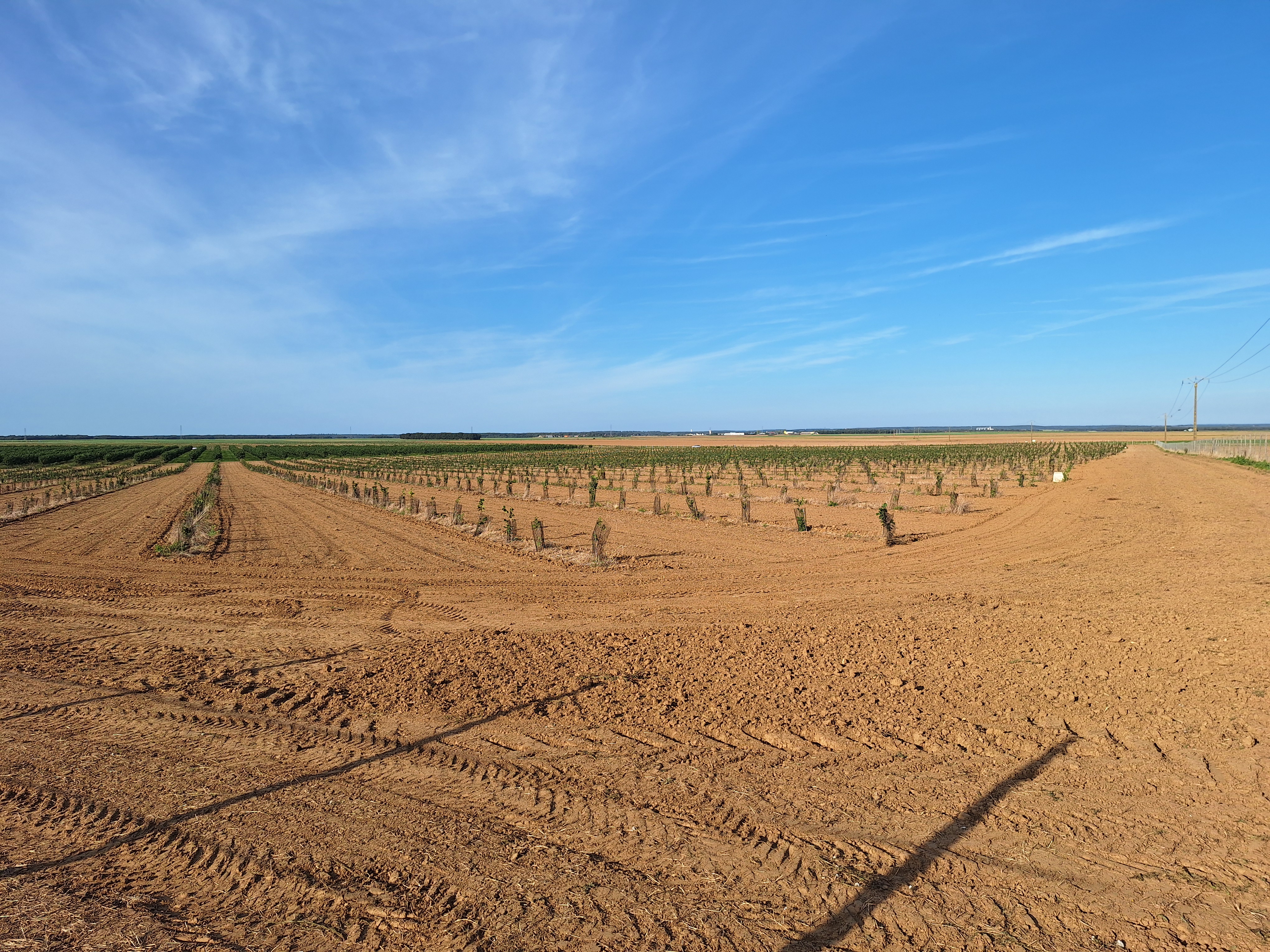
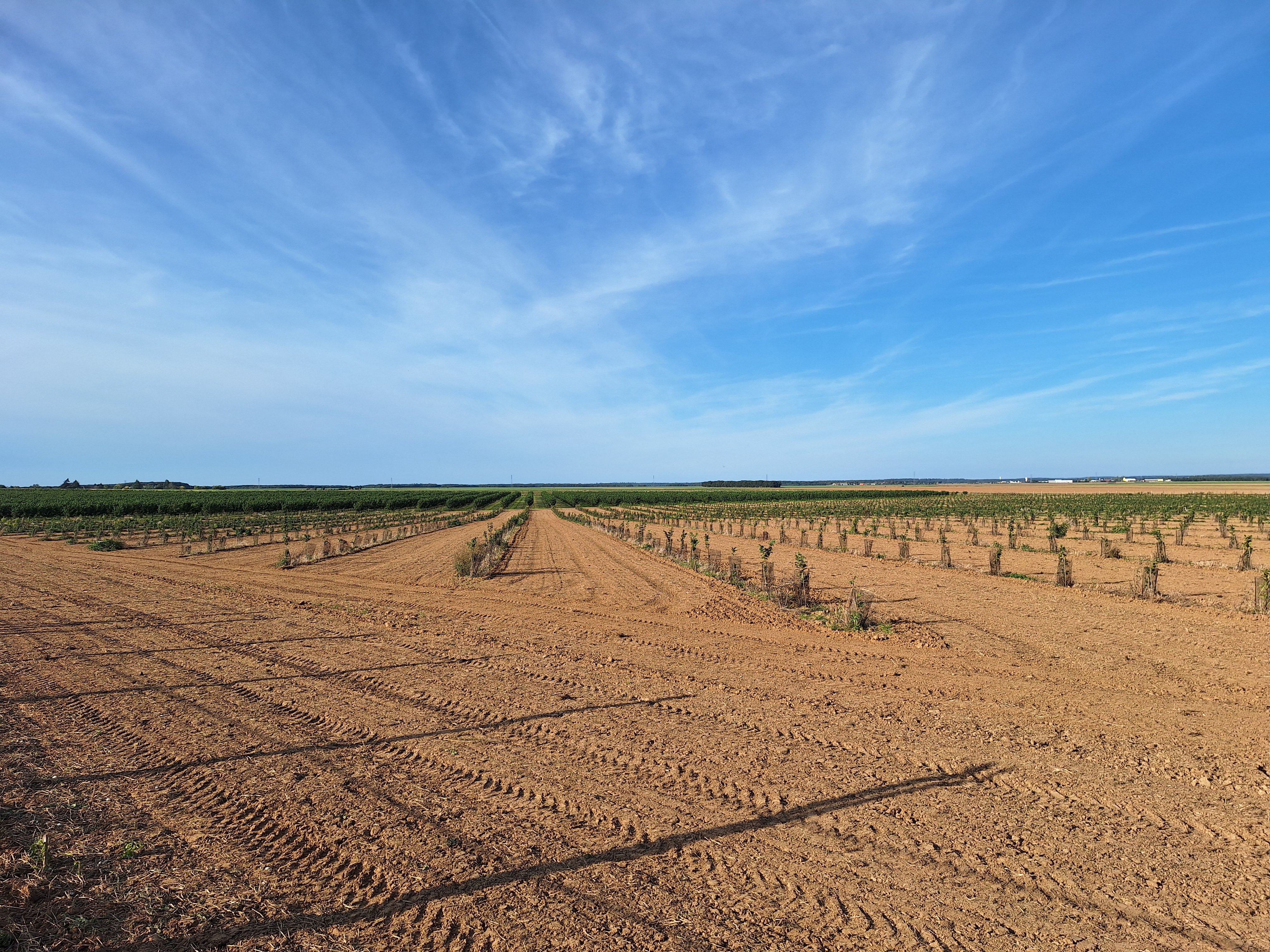
This project is taking place in Beauce, a region emblematic of large-scale cereal farming. Contrary to this model, Mr. Guillaume Marie's farm is initiating a transition to a more diversified system by introducing hazelnut orchards, a perennial crop that is still very rare in Eure-et-Loir. This initiative contributes to the revaluation of the landscape, agricultural diversification, and the development of local sectors. The integration of new high-value crops on the farm, such as blackcurrants, redcurrants, and hazelnuts, generates better income for the farm and has led to the creation of a part-time job, while also promoting cooperative opportunities in France with Unicoque and prospects for local processing.
On an environmental level, planting orchards contributes to enriching biodiversity by creating habitats for wildlife and supporting the presence of pollinators. This landscape change, which breaks away from annual crops, relocates hazelnut production and reduces France's dependence on foreign imports. In Eure-et-Loir, hazelnuts are establishing themselves well and are helping to find a balance between productivity, sustainability and economic resilience. The project will store 443.4 tonnes of CO2 equivalent in 20 years*.
This project will enable hazelnut production to be relocated to France, as this product is currently mainly imported from abroad. The majority of the farm's hazelnut sales will be local. The project will diversify the farm's sources of income.
The soil will also be able to sequester more CO2, as it will no longer be worked every year. What's more, the new plantation will require less fertilizer and treatments than previous crops. This new cultivation itinerary will help avoid emissions and make the project even more virtuous.
Water resources will be used sparingly, as the orchards are equipped with an underground drip irrigation system that allows for rational watering.
* The final value of the estimate will only be established after verification by an independent auditor and an administrative verification decision.
 Label Bas Carbone
Examples: reducing the frequency of soil cultivation, minimalist plot preparation, restoring organic matter and preserving soil microfauna.
Examples: territorial dynamics, societal demand, diversification of the activity, local sales/processing, working conditions, sharing of good practices.
Examples: Consideration of wetlands, use of adapted species, drip-connected irrigation tools.
EARL les Deux Ormes
SCEA Lou Gay - Farm growing hazelnut trees and other crops
Read moreAgricultural walnut and hazelnut cooperative that brings together more than 350 producers in the western half of France.
Read morePlanting a 8,79 ha orchard in Eure-et-Loir
This project is taking place in Beauce, a region emblematic of large-scale cereal farming. Contrary to this model, Mr. Guillaume Marie's farm is initiating a transition to a more diversified system by introducing hazelnut orchards, a perennial crop that is still very rare in Eure-et-Loir. This initiative contributes to the revaluation of the landscape, agricultural diversification, and the development of local sectors. The integration of new high-value crops on the farm, such as blackcurrants, redcurrants, and hazelnuts, generates better income for the farm and has led to the creation of a part-time job, while also promoting cooperative opportunities in France with Unicoque and prospects for local processing.
On an environmental level, planting orchards contributes to enriching biodiversity by creating habitats for wildlife and supporting the presence of pollinators. This landscape change, which breaks away from annual crops, relocates hazelnut production and reduces France's dependence on foreign imports. In Eure-et-Loir, hazelnuts are establishing themselves well and are helping to find a balance between productivity, sustainability and economic resilience. The project will store 443.4 tonnes of CO2 equivalent in 20 years*.
This project will enable hazelnut production to be relocated to France, as this product is currently mainly imported from abroad. The majority of the farm's hazelnut sales will be local. The project will diversify the farm's sources of income.
The soil will also be able to sequester more CO2, as it will no longer be worked every year. What's more, the new plantation will require less fertilizer and treatments than previous crops. This new cultivation itinerary will help avoid emissions and make the project even more virtuous.
Water resources will be used sparingly, as the orchards are equipped with an underground drip irrigation system that allows for rational watering.
* The final value of the estimate will only be established after verification by an independent auditor and an administrative verification decision.