
 Label Bas Carbone
Examples: reducing the frequency of soil cultivation, minimalist plot preparation, restoring organic matter and preserving soil microfauna.

Examples: territorial dynamics, societal demand, diversification of the activity, local sales/processing, working conditions, sharing of good practices.

Examples: Consideration of wetlands, use of adapted species, drip-connected irrigation tools.
SCEA Novo Agri
SCEA Novo Agri - Exploitation agricole cultivant entre autres des noisetiers
Read more
Agricultural walnut and hazelnut cooperative that brings together more than 350 producers in the western half of France.
Read morePlanting of 9.9 hectares of hazelnut trees
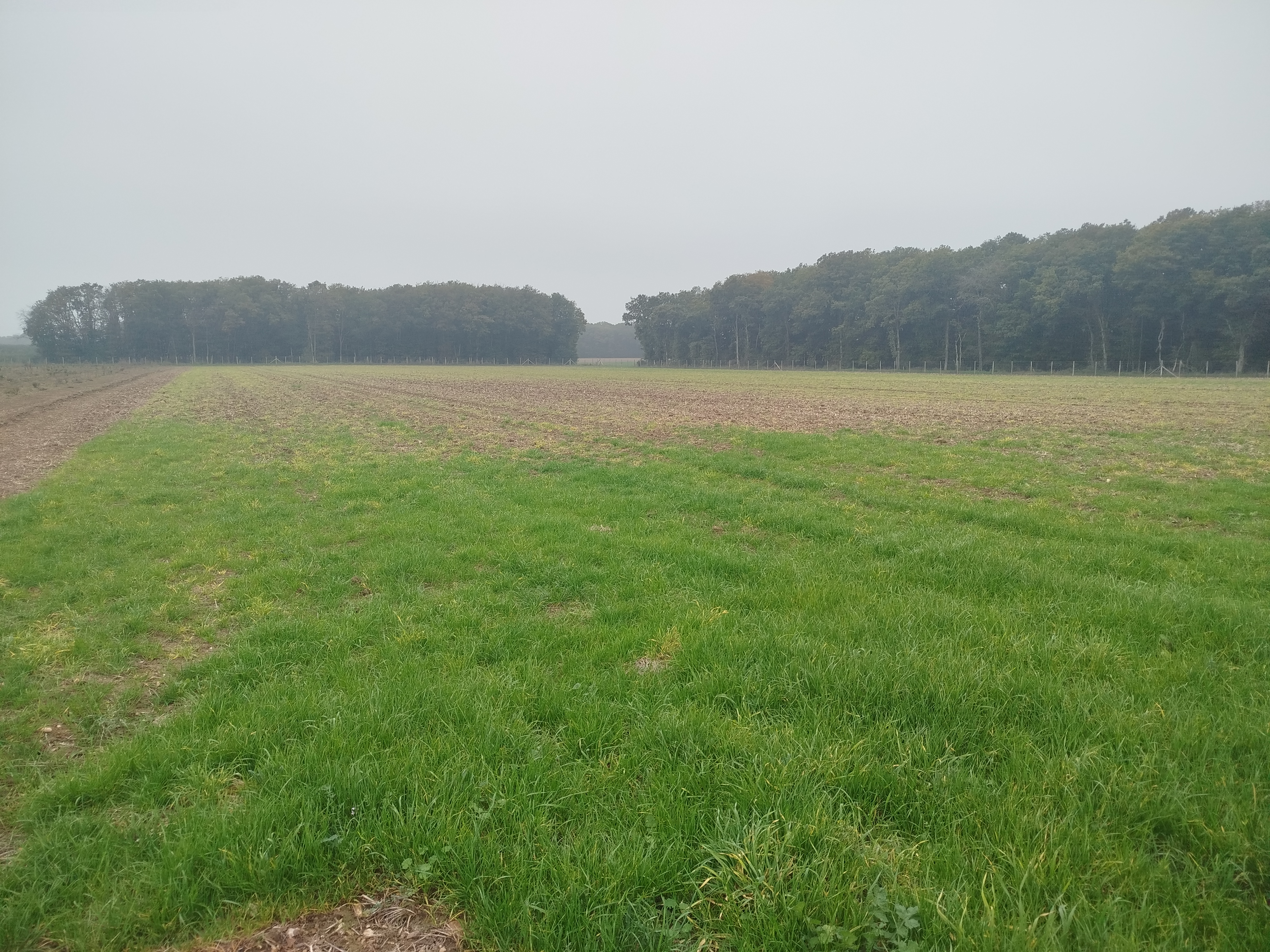
Located in the northeast of the Eure-et-Loir department, Coulombs is part of the "Portes Euréliennes d’Île-de-France" Community of Municipalities and the Nogent-le-Roi local catchment area. The municipality is situated in a rural setting where agriculture plays a significant role, featuring a landscape characterized by an alternation of cultivated plots, wooded areas, and built-up zones. At the departmental level, agriculture is dominated by large-scale field crops—specifically cereals, oilseeds, and protein crops. Against this backdrop, the development of perennial crops such as hazelnuts offers an opportunity to diversify local farming systems.
Mr. Petit plans to continue expanding his fruit tree orchards, by planting an additional 9.9 ha of hazelnut trees during the winter of 2024/2025, in the communes of Coulombs and Senantes in the Eure-et-Loir region. The selected plots were cultivated with arable crops. Planting permanent trees will enable more CO2 to be sequestered throughout the year than would be the case with a temporary crop.
This project is quite remarkable, as it is unusual in a département that is largely located in the Beauce region, an agricultural area renowned for its large-scale industrial crops and large farms. The project will enable 474.03 tonnes of CO2 equivalent to be stored over 20 years*.
- This project will enable hazelnut production to be relocated to France, as this product is currently mainly imported from abroad. Hazelnuts will be mainly sold in France.
- The soil will also be able to sequester more CO2 because it will no longer be worked every year. What's more, this new plantation will require less fertiliser and fewer treatments than previous crops. This new cultivation method will help to avoid emissions and make the project even more virtuous.
- Water resources will be used sparingly, as the orchards have an underground drip irrigation system that allows for rational watering.
* The final value of the estimate will only be established after verification by an independent auditor and an administrative decision on verification.
 Label Bas Carbone
Examples: reducing the frequency of soil cultivation, minimalist plot preparation, restoring organic matter and preserving soil microfauna.
Examples: territorial dynamics, societal demand, diversification of the activity, local sales/processing, working conditions, sharing of good practices.
Examples: Consideration of wetlands, use of adapted species, drip-connected irrigation tools.
SCEA Novo Agri
SCEA Novo Agri - Exploitation agricole cultivant entre autres des noisetiers
Read moreAgricultural walnut and hazelnut cooperative that brings together more than 350 producers in the western half of France.
Read morePlanting of 9.9 hectares of hazelnut trees
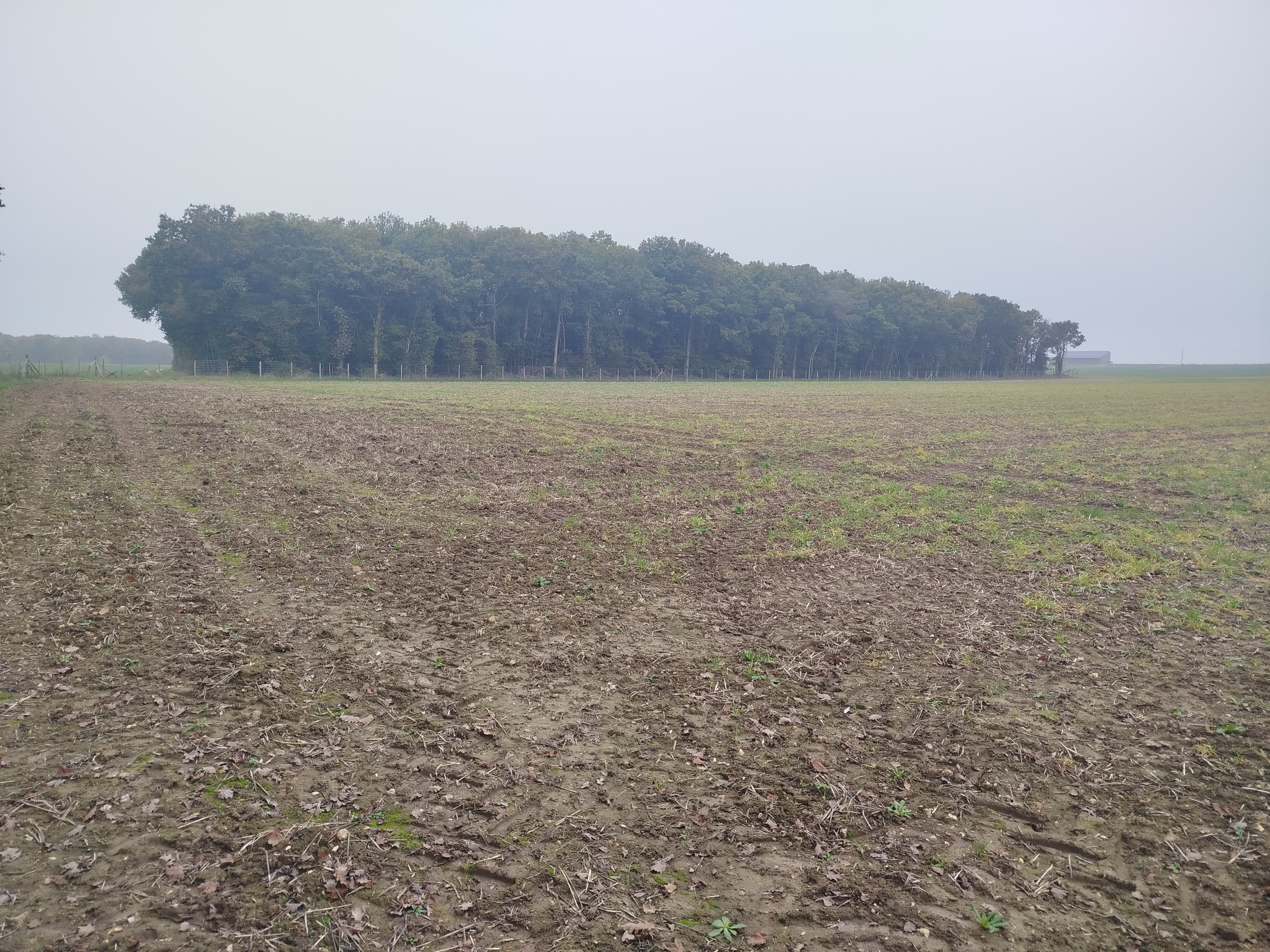
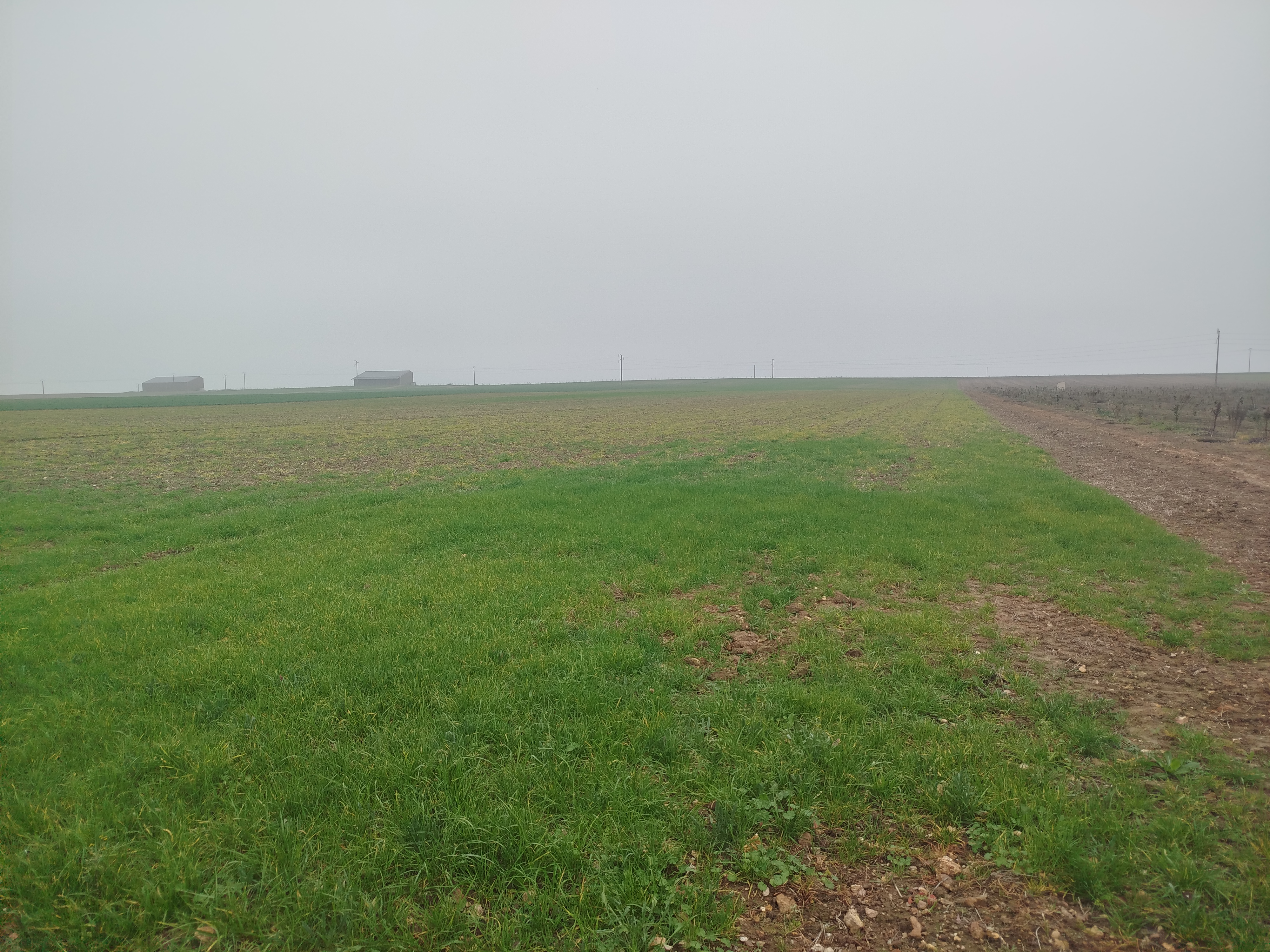
Located in the northeast of the Eure-et-Loir department, Coulombs is part of the "Portes Euréliennes d’Île-de-France" Community of Municipalities and the Nogent-le-Roi local catchment area. The municipality is situated in a rural setting where agriculture plays a significant role, featuring a landscape characterized by an alternation of cultivated plots, wooded areas, and built-up zones. At the departmental level, agriculture is dominated by large-scale field crops—specifically cereals, oilseeds, and protein crops. Against this backdrop, the development of perennial crops such as hazelnuts offers an opportunity to diversify local farming systems.
Mr. Petit plans to continue expanding his fruit tree orchards, by planting an additional 9.9 ha of hazelnut trees during the winter of 2024/2025, in the communes of Coulombs and Senantes in the Eure-et-Loir region. The selected plots were cultivated with arable crops. Planting permanent trees will enable more CO2 to be sequestered throughout the year than would be the case with a temporary crop.
This project is quite remarkable, as it is unusual in a département that is largely located in the Beauce region, an agricultural area renowned for its large-scale industrial crops and large farms. The project will enable 474.03 tonnes of CO2 equivalent to be stored over 20 years*.
- This project will enable hazelnut production to be relocated to France, as this product is currently mainly imported from abroad. Hazelnuts will be mainly sold in France.
- The soil will also be able to sequester more CO2 because it will no longer be worked every year. What's more, this new plantation will require less fertiliser and fewer treatments than previous crops. This new cultivation method will help to avoid emissions and make the project even more virtuous.
- Water resources will be used sparingly, as the orchards have an underground drip irrigation system that allows for rational watering.
* The final value of the estimate will only be established after verification by an independent auditor and an administrative decision on verification.