
 Label Bas Carbone
Examples: reducing the frequency of soil cultivation, minimalist plot preparation, restoring organic matter and preserving soil microfauna.

Examples: diversity and locality of crop species, preservation of habitat for local flora and fauna, presence of beehives for pollination.

Examples: territorial dynamics, societal demand, diversification of the activity, local sales/processing, working conditions, sharing of good practices.

Examples: Consideration of wetlands, use of adapted species, drip-connected irrigation tools.
EARL Domaine de Lescure
EARL Domaine de Lescure - Exploitation agricole cultivant entre autres des noisetiers
Read more
Agricultural walnut and hazelnut cooperative that brings together more than 350 producers in the western half of France.
Read moreExpansion of hazelnut yards in a farm in Tarn-et-Garonne
The Domaine de Lescure has been managed by the Cardetti family for three generations. In 1923, François CARDETTI bought a farm in the south of the Tarn et Garonne. He developed it by cultivating 3 hectares of vines and 15 hectares of mixed farming. At that time, mixed farming was traditional in the area. The production of wine was done through the wine merchants.
In 1960, the family invested in the purchase of equipment to increase production. In 1970, Jean-Marie CARDETTI set up his own business and turned to wine production. He bought 10 hectares of vineyard. In two decades, the vineyard reaches a surface of 20 hectares.
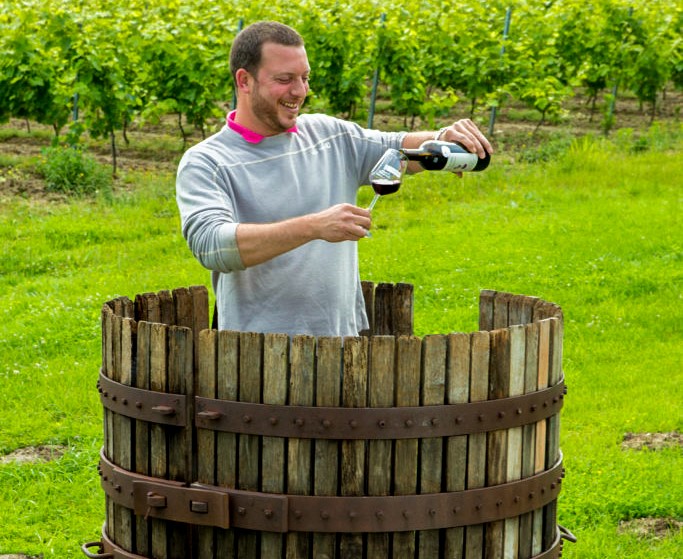
In 2008, Fabien CARDETTI, takes over from his father. He buys a neighboring vineyard to expand the operation by 7 hectares. The quest and the notoriety of a brand image imposing itself, he begins to produce the first bottles labeled Domaine de Lescure. Then he combined the cultivation of vines with that of hazelnuts with a surface area of 15 hectares, which today has become an identifying element of the family estate.
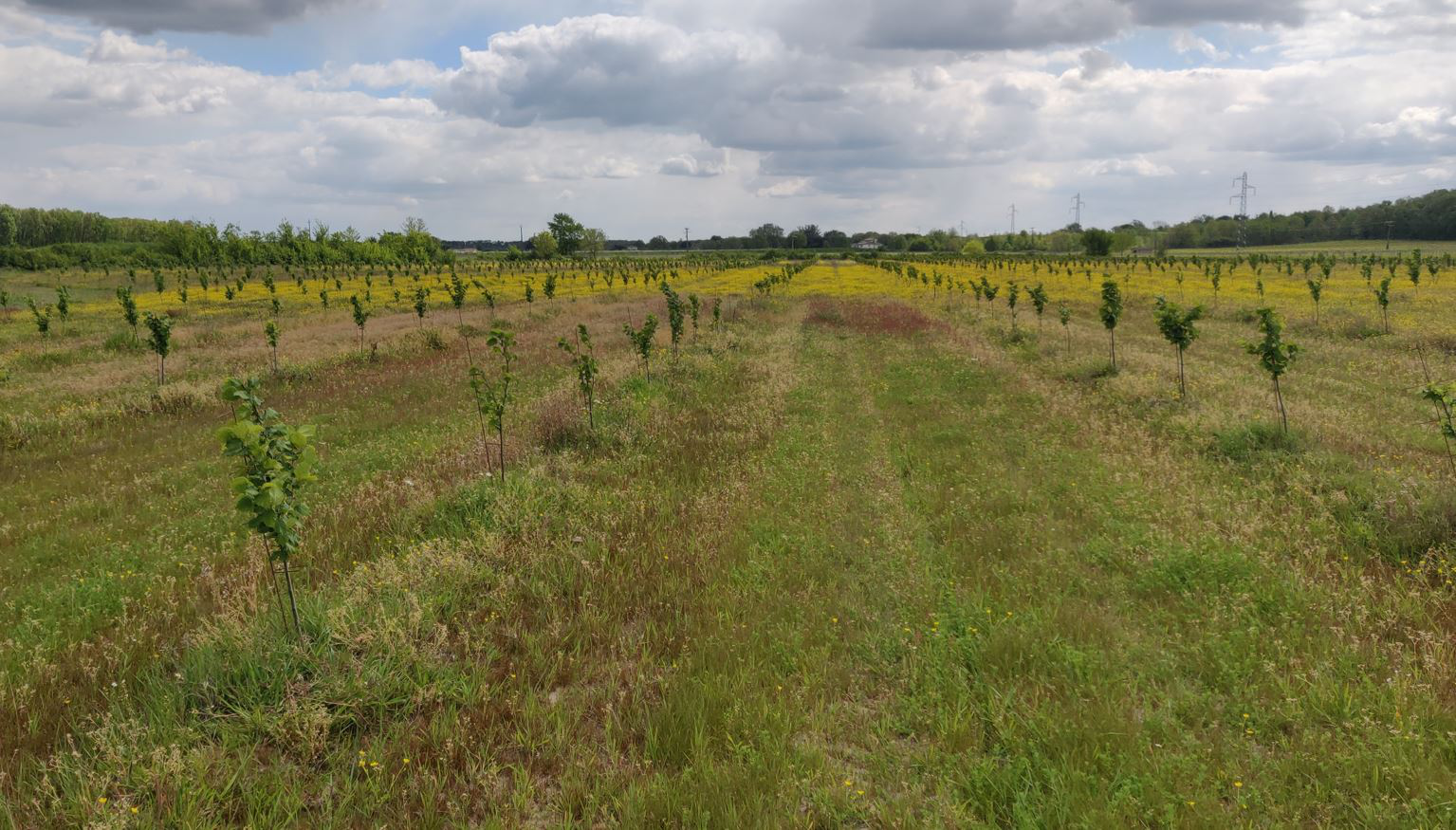
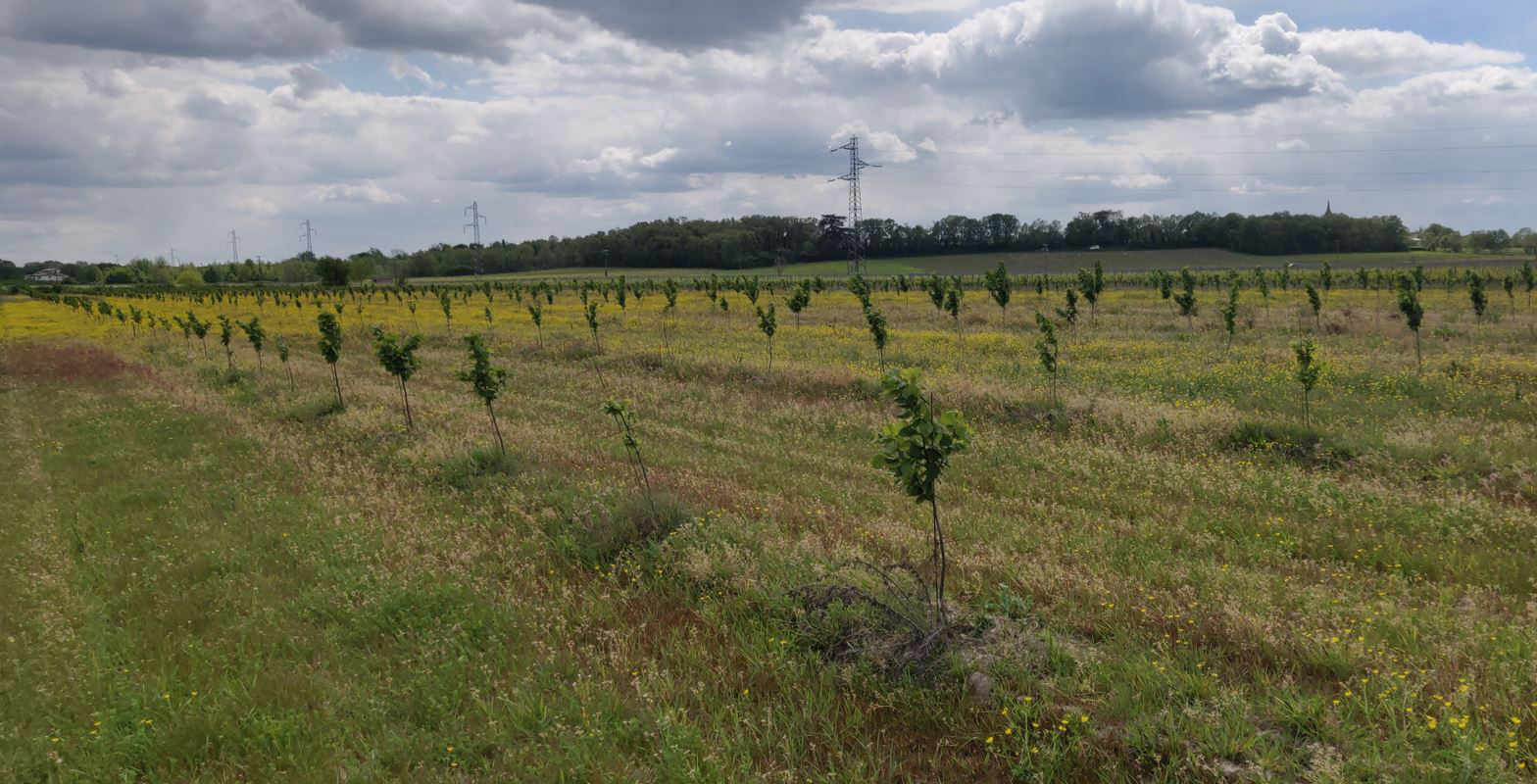
Fabien Cardetti plans to expand its hazelnut crops by planting 2.7 ha of orchards during the winter of 2022-2023. The selected plots were previously used for annual crops.
Planting permanent trees will sequester more CO2 throughout the year than a temporary crop. This project will store 135.22 tons of CO2 equivalent in 20 years*.
The farm has been certified High Environmental Value (HVE) since 2017, which guarantees a reasoned and efficient management of its inputs (fertilizers, irrigation, phytosanitary products) as well as the preservation of hedges, tree lines, wood edges and other natural features of ecological interest around the plots.
This project also makes it possible to relocate hazelnut production in France, as this product is nowadays mostly imported from abroad. The hazelnuts are packaged by the Unicoque cooperative in the neighbouring department (47). They are sold in nets of 1KG throughout France in private shows and also at the domain in the direct sales store of the domain. The farmer also offers small quantities of hazelnut oil.
* The final value of the estimate will only be established after verification by an independent auditor and an administrative verification decision.
 Label Bas Carbone
Examples: reducing the frequency of soil cultivation, minimalist plot preparation, restoring organic matter and preserving soil microfauna.
Examples: diversity and locality of crop species, preservation of habitat for local flora and fauna, presence of beehives for pollination.
Examples: territorial dynamics, societal demand, diversification of the activity, local sales/processing, working conditions, sharing of good practices.
Examples: Consideration of wetlands, use of adapted species, drip-connected irrigation tools.
EARL Domaine de Lescure
EARL Domaine de Lescure - Exploitation agricole cultivant entre autres des noisetiers
Read moreAgricultural walnut and hazelnut cooperative that brings together more than 350 producers in the western half of France.
Read moreExpansion of hazelnut yards in a farm in Tarn-et-Garonne
The Domaine de Lescure has been managed by the Cardetti family for three generations. In 1923, François CARDETTI bought a farm in the south of the Tarn et Garonne. He developed it by cultivating 3 hectares of vines and 15 hectares of mixed farming. At that time, mixed farming was traditional in the area. The production of wine was done through the wine merchants.
In 1960, the family invested in the purchase of equipment to increase production. In 1970, Jean-Marie CARDETTI set up his own business and turned to wine production. He bought 10 hectares of vineyard. In two decades, the vineyard reaches a surface of 20 hectares.
In 2008, Fabien CARDETTI, takes over from his father. He buys a neighboring vineyard to expand the operation by 7 hectares. The quest and the notoriety of a brand image imposing itself, he begins to produce the first bottles labeled Domaine de Lescure. Then he combined the cultivation of vines with that of hazelnuts with a surface area of 15 hectares, which today has become an identifying element of the family estate.
Fabien Cardetti plans to expand its hazelnut crops by planting 2.7 ha of orchards during the winter of 2022-2023. The selected plots were previously used for annual crops.
Planting permanent trees will sequester more CO2 throughout the year than a temporary crop. This project will store 135.22 tons of CO2 equivalent in 20 years*.
The farm has been certified High Environmental Value (HVE) since 2017, which guarantees a reasoned and efficient management of its inputs (fertilizers, irrigation, phytosanitary products) as well as the preservation of hedges, tree lines, wood edges and other natural features of ecological interest around the plots.
This project also makes it possible to relocate hazelnut production in France, as this product is nowadays mostly imported from abroad. The hazelnuts are packaged by the Unicoque cooperative in the neighbouring department (47). They are sold in nets of 1KG throughout France in private shows and also at the domain in the direct sales store of the domain. The farmer also offers small quantities of hazelnut oil.
* The final value of the estimate will only be established after verification by an independent auditor and an administrative verification decision.